
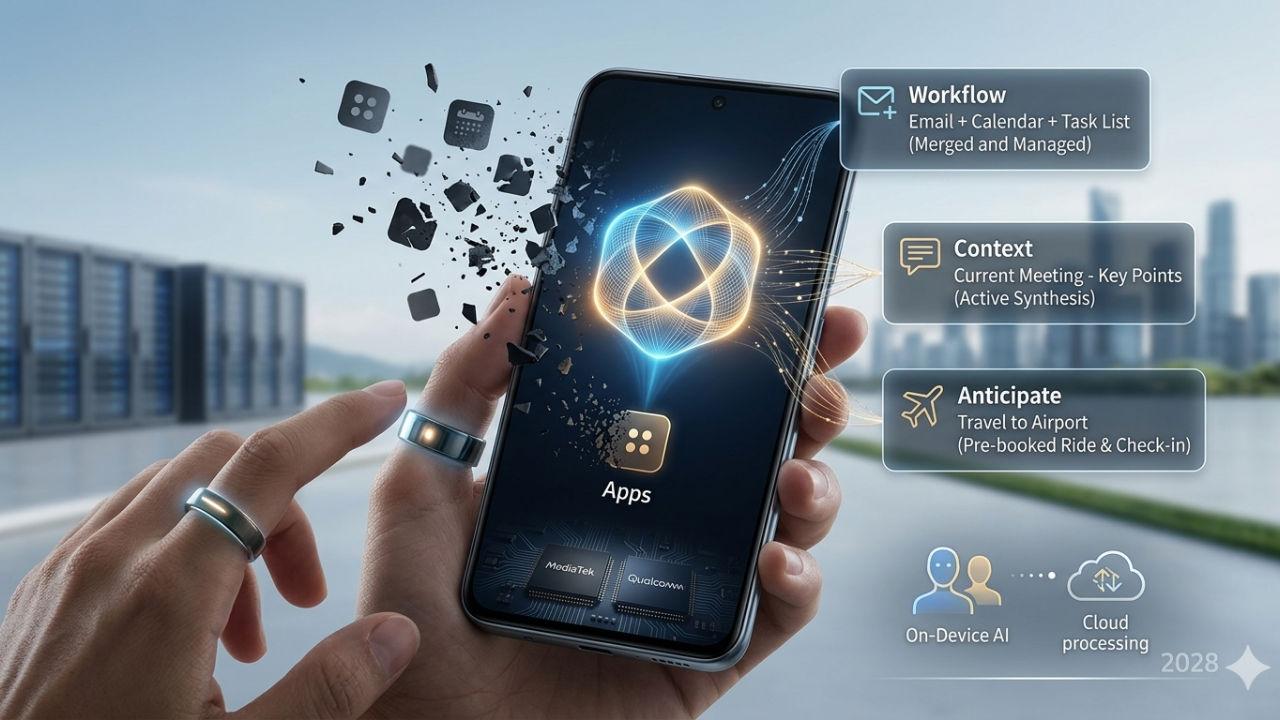
Introduction: The End of the App Era?
Imagine a world where downloading and managing individual apps becomes a thing of the past. Recent leaks about OpenAI’s ambitious plans for AI-powered phone agents suggest that this scenario could be closer than we think. With a potential launch by 2028, the way we interact with our phones may be on the brink of a revolutionary shift. Let’s explore what this means for tech learners and the next wave of digital innovation.
What Are AI Agents and How Could They Replace Apps?
AI agents are intelligent digital assistants designed to handle complex tasks by understanding natural language and context. Instead of tapping through a maze of apps, users could simply ask their AI agent to book a ride, order food, or send messages. The agent would then interface with external services on the user’s behalf, eliminating the need to juggle multiple apps.
How Would This Work on Phones?
According to the leaked plans, OpenAI envisions a phone system deeply integrated with AI agents. Rather than a screen filled with app icons, you’d interact with your device through voice, text, or even gestures, delegating tasks directly to the AI. The agent would communicate with various services and bring back results, all while learning your preferences and routines over time.
Why Is OpenAI Pursuing This Direction?
The traditional app-based model has limitations: app overload, fragmented experiences, and the challenge of switching between different services. OpenAI aims to streamline the user experience by making your phone’s core interface conversational and context-aware. This could not only make phones more intuitive but also open doors to accessibility for users who struggle with complex interfaces.
Implications for Developers and Users
If AI agents become the main gateway to services, developers may need to rethink how their products interact with users. Instead of building full-fledged apps, the focus might shift toward creating robust APIs and voice-friendly interfaces that AI agents can tap into. For users, this could mean faster, more natural interactions and less clutter on their devices.
What This Means for Beginners
If you’re a tech learner or aspiring developer, this shift signals an important transition in the industry. The skillset required may evolve from traditional app development to building AI-centric, service-oriented experiences. Learning how AI agents work, how to design conversational flows, and how to expose services through APIs will become increasingly valuable.
How to Prepare for the Age of AI Agents
- Study Natural Language Processing (NLP): Understanding how machines comprehend and generate human language is key to building effective AI agents.
- Get Comfortable with APIs: Services will need robust APIs that AI agents can connect to, so mastering API design and integration is crucial.
- Explore Human-Computer Interaction (HCI): Learn how to create intuitive, human-centric interfaces that move beyond buttons and screens.
Challenges and Considerations
While the idea of AI-powered phones is exciting, there are hurdles to overcome. Privacy and security will be paramount, as AI agents will need access to sensitive data to function optimally. There’s also the question of openness—will users have control over which services their agents can access, or will a few large companies dictate the ecosystem?
Conclusion: A New Era of Digital Interaction
The leaked information about OpenAI’s AI agent-powered phone plans hints at a future where our relationship with technology becomes more conversational, seamless, and personalized. For tech learners, now is the time to start building skills in AI, automation, and conversational design. The app era may not be over yet, but the seeds of change are already being sown.
3 Practical Takeaways
- Start learning the basics of AI and NLP to understand the technology behind conversational agents.
- Focus on API development and integration, as services will need to be easily accessible to AI agents.
- Stay updated on shifts in mobile UX/UI trends—skills in voice and gesture interfaces may soon be in high demand.