
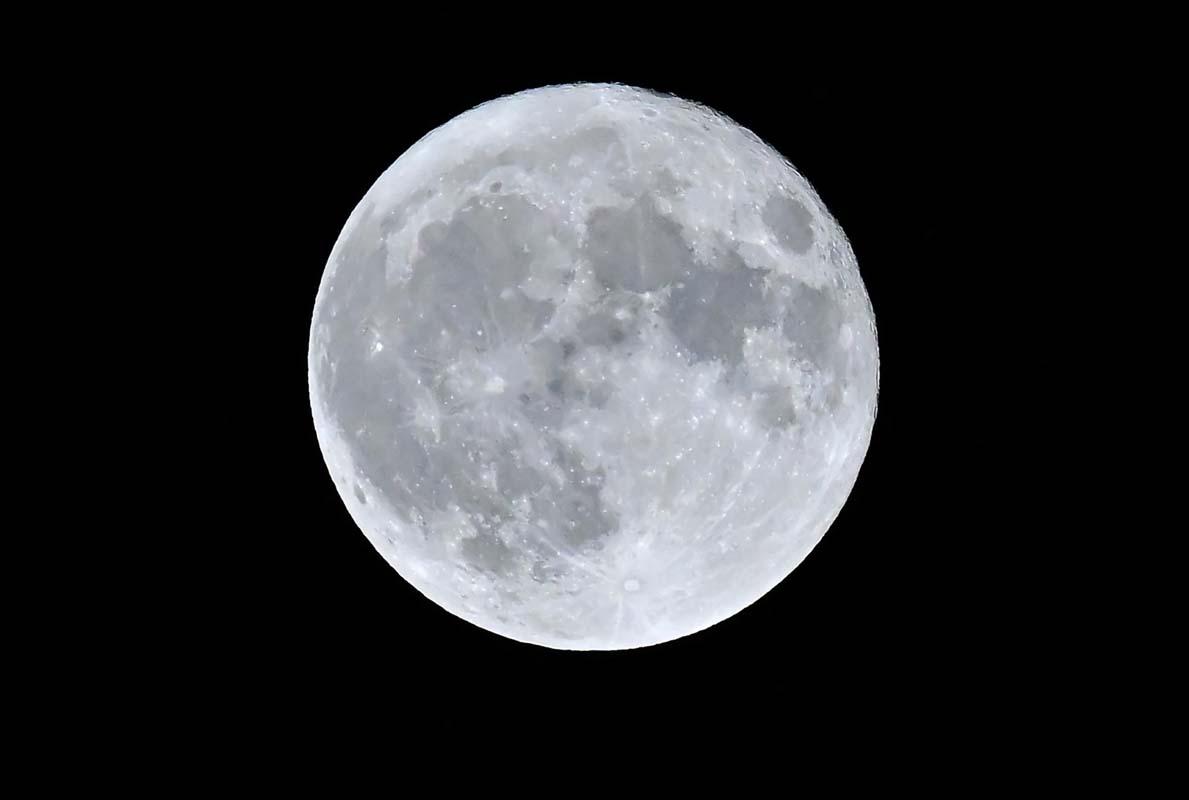
NASA's Artemis II Mission: More Than Just a Flyby
NASA has always pushed the boundaries of space exploration, but the Artemis II mission is gearing up to take things even further. For the first time in decades, astronauts will venture beyond low Earth orbit and circle the Moon. What's truly groundbreaking this time? The crew will get a firsthand look at lunar regions that have never been observed by human eyes.
The Significance of Observing Unseen Lunar Regions
Artemis II isn't just a repeat of Apollo. With advanced spacecraft technology and new mission objectives, the crew will have a unique vantage point to observe the mysterious far side and polar regions of our celestial neighbor. These areas have been largely hidden from view, even during the Apollo missions. By flying a carefully planned trajectory around the Moon, Artemis II's astronauts will collect data and capture visuals that could change our understanding of lunar geology and history.
Why Does Exploring the Unseen Matter?
The Moon's hidden sides may hold secrets about the formation of the solar system, water ice reserves, and even clues to future human settlement. By mapping and photographing these regions directly, Artemis II sets the stage for future missions—including eventual landings at the lunar south pole, one of NASA's primary goals.
How Artemis II Differs from Past Moon Missions
- Modern Technology: Artemis II uses the Orion spacecraft, packed with the latest navigation, communication, and life-support systems.
- Human Presence: Unlike robotic missions, astronauts can make real-time observations and adapt to unexpected discoveries.
- Broader Coverage: The mission will venture into previously unexplored lunar territories, expanding our lunar map.
What This Means for Beginners in Space Science
If you're new to space technology or astronomy, Artemis II is a fantastic case study in how human exploration and advanced tech work together. Watching this mission unfold offers a window into the planning, engineering, and curiosity that drive scientific progress. It's also a reminder that there are still uncharted places close to home, waiting for the next generation of explorers and technologists to discover them.
How Can You Get Involved?
- Follow Mission Updates: NASA regularly shares mission news, live streams, and educational resources online.
- Join Space Learning Communities: Online forums and local astronomy clubs often discuss missions like Artemis II, offering a great place to ask questions and share insights.
- Explore Lunar Data: Many Artemis II findings will become public. Learning to analyze this data can be a valuable skill for aspiring scientists and engineers.
What Skills Are Useful for Space Exploration?
- Data Analysis: Understanding how to interpret scientific data is crucial for making discoveries.
- Remote Sensing: Learning about satellite imagery and remote sensing technologies helps in analyzing planetary surfaces.
- Teamwork and Communication: Space missions rely on diverse teams, so collaboration and communication skills are essential.
3 Practical Takeaways for Tech Learners
- Stay Curious: The Artemis II mission proves that even familiar places like the Moon hold surprises. Curiosity drives innovation.
- Build Relevant Skills: Start learning data analysis, programming, or remote sensing to participate in future space discoveries.
- Engage with Science News: Following real-world missions connects classroom learning to global scientific achievements and opportunities.