
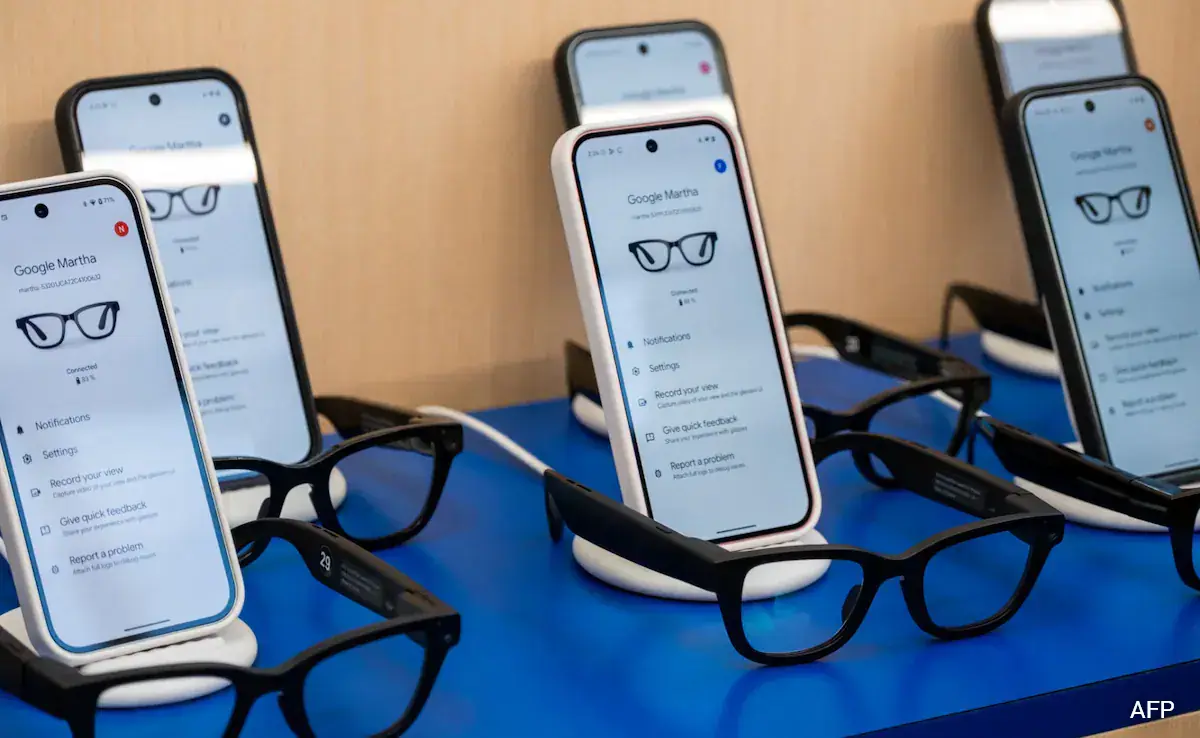
Google Steps Into the Smart Glasses Arena
Wearable technology is evolving rapidly, and Google has just announced its latest innovation: audio glasses. These stylish spectacles are designed to deliver wireless audio directly to your ears, offering an exciting alternative to traditional headphones and a direct challenge to Meta's Ray-Ban Smart Spectacles. But what sets Google's new device apart, and what does it mean for tech enthusiasts and beginners alike?
What Are Audio Glasses?
Audio glasses combine traditional eyewear with built-in speakers, allowing users to listen to music, take calls, or interact with digital assistants—all without inserting anything in or over their ears. This seamless integration offers a hands-free, open-ear experience that keeps you aware of your surroundings while staying connected.
Features That Make Google’s Audio Glasses Stand Out
- Universal Compatibility: Unlike some smart wearables, Google’s audio glasses are designed to work effortlessly with both Android and Apple smartphones, expanding their accessibility to a wider audience.
- Discreet and Stylish Design: Google has prioritized aesthetics, creating glasses that look as natural as any regular pair. This means users can enjoy smart features without drawing attention.
- Hands-Free Convenience: With onboard controls and voice assistant integration, these glasses aim to make everyday tasks—like taking calls or navigating playlists—quick and intuitive.
How Do Audio Glasses Compare to Meta’s Ray-Ban Smart Spectacles?
Meta’s Ray-Ban Smart Spectacles have already made waves by merging camera functionality with audio. Google’s approach focuses primarily on audio quality and seamless connectivity, skipping the built-in camera for now. This decision may appeal to users who value privacy and simplicity.
What This Means for Beginners
If you're new to the world of wearable tech, audio glasses offer a gentle introduction. Since they work with both major mobile platforms, you won’t need to switch devices. The controls are designed to be intuitive, making it easy for anyone—regardless of tech expertise—to start using them right out of the box. Plus, the familiar look and feel of traditional glasses mean you won’t need to adjust to a radically new style.
How to Get Started with Wearable Audio Tech
- Understand Your Needs: Consider how you’ll use audio glasses in your daily life. Will you prioritize music, phone calls, or hands-free access to your digital assistant?
- Check Device Compatibility: Make sure your smartphone’s operating system is supported. Google’s glasses cater to both Android and iOS, removing a common barrier to entry.
- Explore Features: Beyond audio, look into features like battery life, water resistance, and fit. Comfort and durability are crucial for all-day wear.
- Set Up and Experiment: Once you have your audio glasses, follow the setup guide and try out different functions. Experiment with voice commands, music streaming, and call management to get the most from your device.
Learning Opportunities for Tech Enthusiasts
For those eager to dive deeper, audio glasses open doors to understanding Bluetooth connectivity, wearable user interfaces, and the intersection of fashion and technology. Tinkerers can explore app integrations and even develop custom workflows for hands-free productivity.
3 Practical Takeaways
- Audio glasses are a user-friendly entry point into smart wearables, especially for beginners.
- Google’s emphasis on compatibility and design makes this device accessible for both Android and iOS users.
- Exploring wearable tech like audio glasses can lead to broader skills in mobile connectivity and smart device management.