Hà Nội Unveils Ambitious Urban Innovation Challenge
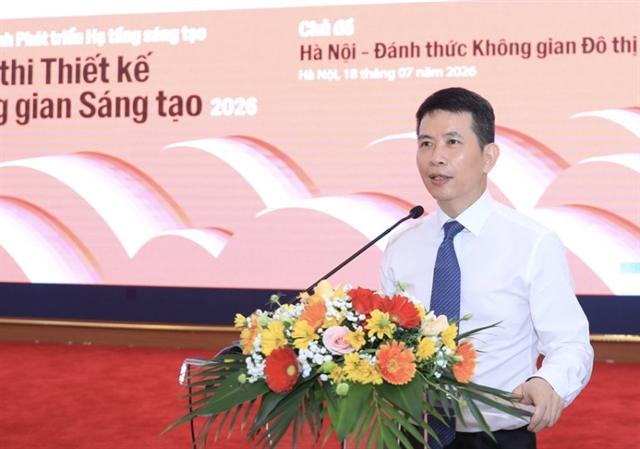
Hà Nội, Vietnam’s bustling capital, is setting the stage for a bold new chapter in urban transformation. The city has just announced an exciting competition centered around developing innovative infrastructure and creative urban design for 2026. With the theme “Hà Nội: Awakening Urban Space,” this event isn’t just about new buildings or roads—it’s about reimagining the city’s future and fostering a thriving ecosystem for creativity and collaboration.
What’s Behind the Competition?
At its core, the competition is designed to unite a wide range of contributors: architects, engineers, tech enthusiasts, and community leaders. By tapping into social resources and collective brainpower, Hà Nội aims to discover fresh perspectives that can shape a more dynamic and inclusive city. The goal is to gather visionary ideas that address both the practical needs and the creative aspirations of its residents.
Why Is Urban Innovation So Important?
Modern cities face complex challenges—rapid population growth, environmental concerns, and the demand for smarter public spaces. Hà Nội’s initiative recognizes that building a resilient and vibrant city takes more than just infrastructure; it requires innovative thinking and community-driven solutions.
This competition is a clear signal: Hà Nội wants to be at the forefront of urban innovation, leveraging technology and design to create spaces where people can thrive.
How Tech Learners Can Get Involved
If you’re passionate about technology, design, or urban planning, this competition is a golden opportunity to showcase your skills and be part of something transformative. Here’s how you can dive in:
- Learn Smart City Technologies: Explore how IoT (Internet of Things), AI, and data analytics are reshaping urban infrastructure. From smart traffic systems to energy-efficient buildings, technology is at the heart of modern city design.
- Collaborate Across Disciplines: Successful urban innovation comes from diverse teams. Connect with architects, engineers, and community stakeholders to blend creative and technical perspectives.
- Think User-Centered: Focus on designs that improve daily life for city dwellers. Accessibility, safety, and sustainability should guide your ideas.
What This Means for Beginners
If you’re just starting out in tech or urban studies, competitions like Hà Nội’s can serve as powerful learning experiences. You might not have years of experience, but you bring fresh eyes and unorthodox ideas—qualities that are often the seeds of true innovation.
Consider these steps to get started:
- Study Case Studies: Look at how other cities have tackled urban challenges. Analyze what worked and what didn’t.
- Upskill with Online Courses: Dive into free or affordable courses on urban design, smart cities, or sustainability.
- Join Local Maker or Tech Communities: Many cities have innovation hubs or meetups for budding tech enthusiasts. Networking can open doors to collaboration and mentorship.
How to Learn Urban Innovation Skills
- Explore Open Data: Many cities publish open data sets on everything from traffic patterns to green spaces. Experiment with this data to uncover trends and insights.
- Practice Problem-Solving: Try designing solutions for common urban issues, even if only as thought exercises. What would you do to reduce congestion or improve air quality?
- Participate in Hackathons: Urban-focused hackathons or design sprints are excellent places to build experience and meet like-minded peers.
Looking Ahead: Hà Nội as a Model of Urban Creativity
Hà Nội’s design competition is more than just a contest; it’s a catalyst for long-term change. By rallying the community and harnessing cutting-edge technology, the city aims to set a new standard for urban innovation in Southeast Asia. For tech learners and creative minds, this is an invitation to play a vital role in shaping the future of city life.
3 Practical Takeaways
- Keep Learning: Stay updated on urban innovation trends and technologies to remain competitive and inspired.
- Build a Portfolio: Document your design ideas, projects, or competition entries to showcase your skills to future employers or collaborators.
- Engage with the Community: Real-world impact starts with understanding the needs of local residents. Collaborate, ask questions, and use feedback to refine your solutions.