Exploring the Tech Behind National Mountain Bike Champions
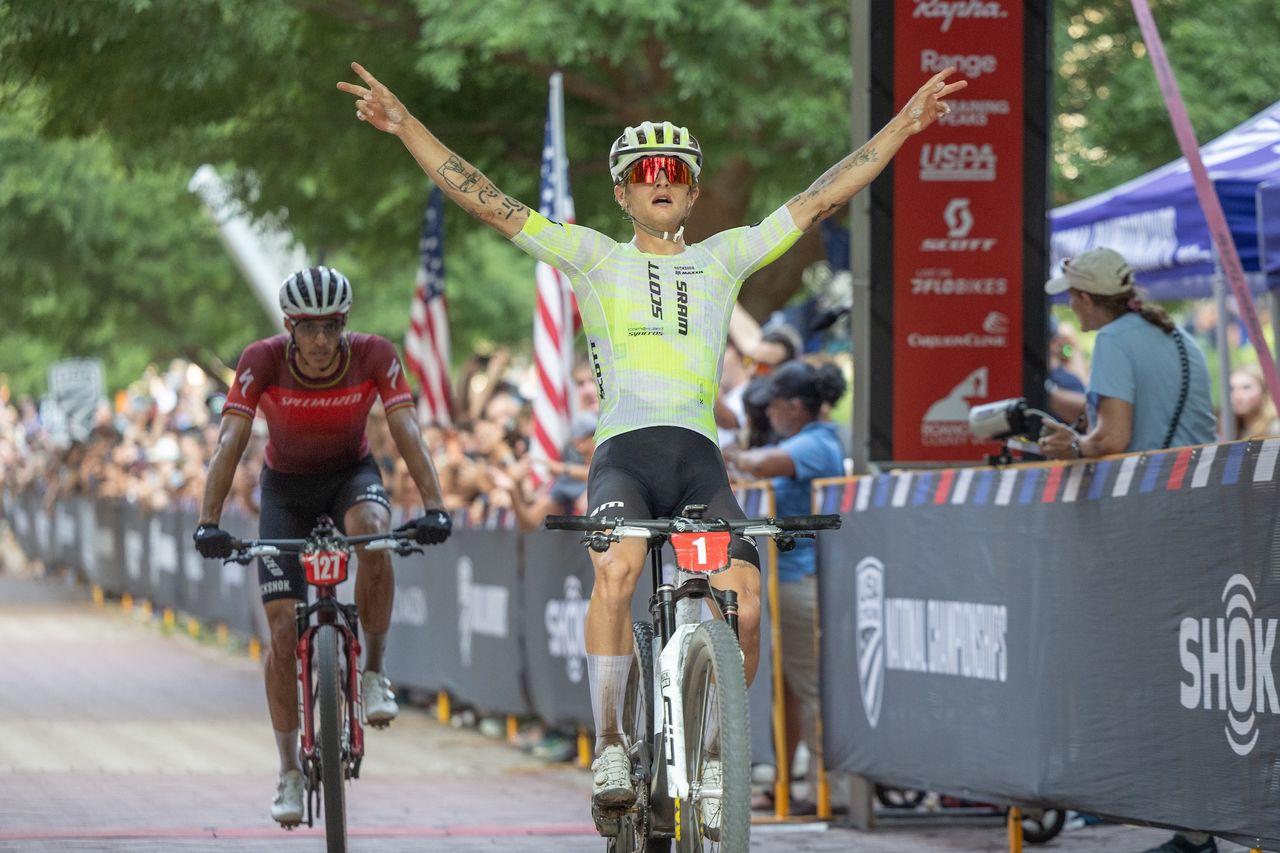
Mountain bike racing has evolved far beyond just the physical prowess of its athletes. Today, cutting-edge technology plays a pivotal role in the training, strategy, and performance of competitors. The recent US national championships in short track cross-country showcased this transformation, as riders like Bjorn Riley and Savilia Blunk demonstrated not only athletic skill but also the advantages of tech-driven preparation.
Technology’s Impact on Training and Competition
The difference between victory and defeat in modern mountain bike racing often comes down to how effectively riders leverage technology. From power meters and GPS analytics to dynamic suspension systems and real-time communication devices, athletes are pushing boundaries with sophisticated tools that help them optimize every aspect of their performance.
- Data Analytics: Riders analyze their training and race data to fine-tune pacing, recovery, and nutrition strategies.
- Smart Equipment: Advanced bikes with electronic shifting and adjustable suspension allow for rapid adaptation to changing terrain.
- Wearable Tech: Devices monitor heart rate, cadence, and even muscle fatigue, helping athletes maintain peak performance during intense races.
Case Study: Champions Harnessing Innovation
Bjorn Riley’s narrow win over Christopher Blevins and Savilia Blunk’s solo defense at the elite women’s championship are not just testaments to their talent—they’re examples of how technology gives top athletes an edge. Behind the scenes, these champions rely on a combination of digital coaching platforms, simulation software, and real-time race feedback to gain crucial seconds.
- Riley’s ability to edge out Blevins likely benefited from precise pacing strategies, monitored through wearable sensors.
- Blunk’s solo effort was supported by meticulous route planning and power management, enabled by GPS and data tracking tools.
What This Means for Beginners
If you’re new to mountain biking or racing, this tech-driven approach might seem overwhelming. The good news is, many tools used by pros are becoming accessible to all riders. Beginners can start with basic GPS bike computers, smartphone apps for tracking rides, and entry-level heart rate monitors. As you progress, you can explore advanced analytics and even virtual coaching platforms.
Learning how to interpret simple ride data—like distance, speed, and heart rate—can help you gradually build endurance, set realistic goals, and track improvements over time.
How to Learn and Integrate These Skills
- Start Small: Begin with a basic cycling computer or a smartphone app to track your rides.
- Join Online Communities: Connect with other riders and tech enthusiasts on platforms like Strava, Zwift, or Reddit to share tips and compare data.
- Experiment with Wearables: Try affordable heart rate monitors or fitness bands to understand how your body responds during rides.
- Take Online Courses: Sites like SupportMeTechs offer tutorials on using cycling tech, data analysis, and training optimization.
Key Takeaways
- Modern mountain bike racing is heavily influenced by technology, from training tools to race-day gadgets.
- Beginners can access many of the same tools used by elite athletes, gradually building skills and confidence.
- Learning to use and interpret cycling tech is a valuable skill for anyone interested in improving their performance and enjoying the sport.