
Dhaka Embraces AI to Monitor Traffic and Enforce Road Safety
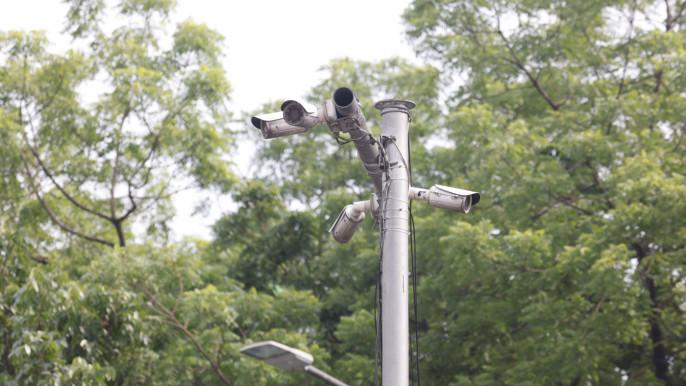
Dhaka, one of South Asia’s most bustling cities, is taking a significant leap forward in traffic management by introducing artificial intelligence into its road safety strategies. The city has started rolling out AI-powered cameras at some of its busiest intersections, offering new ways to monitor violations such as running red lights and riding motorcycles without helmets. This move marks a pivotal shift toward smarter urban management, with technology playing a crucial role in shaping safer streets.
Where Are These AI Cameras Being Deployed?
The first phase of installation targets high-traffic zones notorious for congestion and frequent violations. Currently, AI cameras are active at:
- Hotel InterContinental intersection in Shahbagh
- Banglamotor
- Karwan Bazar
- Bijoy Sarani
- Jahangir Gate
Further expansion is underway, with Farmgate set to join the list soon. These locations were selected based on traffic density and the need for heightened monitoring.
How Do AI Traffic Cameras Work?
Unlike traditional surveillance tools, these advanced cameras leverage machine learning and computer vision to identify and flag specific rule violations in real time. Here’s how they operate:
- Real-time Analysis: The cameras scan video feeds continuously, analyzing vehicle movements and detecting behaviors like red-light jumping or helmetless riding.
- Automated Alerts: When a violation occurs, the system can automatically record evidence and alert authorities for further action.
- Data Collection: Over time, these cameras gather data that can inform city planners and traffic enforcement about trends and high-risk areas.
This technology not only streamlines the enforcement process but also reduces the reliance on manual monitoring, making the system more efficient and less prone to human error.
Why Is This a Game Changer for Urban Traffic?
Traffic congestion and road safety have long plagued Dhaka. By integrating AI into its surveillance infrastructure, the city sets a new standard for proactive governance. Here are some key benefits:
- Enhanced Road Safety: Immediate detection and deterrence of risky behaviors help prevent accidents and injuries.
- Streamlined Law Enforcement: Automated systems free up law enforcement personnel for other critical tasks.
- Data-Driven Decisions: Rich datasets allow for smarter urban planning and targeted safety campaigns.
What This Means for Tech Learners
Dhaka’s AI camera initiative is more than just a local traffic solution—it’s a real-world example of how machine learning, computer vision, and IoT are transforming urban environments. For those interested in technology, especially students and early-career professionals, this is a fantastic case study in applied AI. Here’s why:
- Learn by Example: Understanding how computer vision algorithms detect objects and classify behaviors can deepen your knowledge of AI.
- See the Impact: Watching technology directly influence public safety and city management highlights the practical value of tech skills.
- Spot New Opportunities: The rise of smart city solutions creates fresh demand for expertise in machine learning, data analysis, and systems integration.
How to Start Learning AI and Computer Vision
If this project inspires you to dive into AI and computer vision, here are some steps you can take:
- Take Online Courses: Platforms like Coursera, edX, and SupportMeTechs offer beginner to advanced courses in AI, Python, and computer vision.
- Experiment with Open-Source Tools: Libraries such as OpenCV and TensorFlow allow you to build your own image recognition projects.
- Join Community Projects: Contributing to open-source smart city or AI initiatives can provide real-world experience and networking opportunities.
- Follow Industry Trends: Stay updated on how cities worldwide are using AI to solve urban challenges.
3 Practical Takeaways
- AI-powered traffic cameras are revolutionizing road safety in Dhaka by automating violation detection and data collection.
- This technology demonstrates the real-world impact of AI and computer vision, offering valuable lessons for tech learners interested in smart cities.
- If you’re eager to get involved, start with online courses, hands-on projects, and community initiatives to build your skills and portfolio.