Stepping Into the Spotlight: A New Era for Apple Leadership
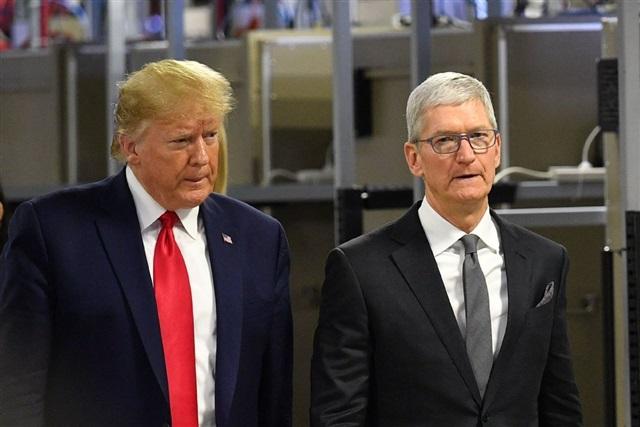
Apple, one of the world’s most influential tech giants, is welcoming a new CEO into the fold. But unlike previous transitions, this leadership change arrives during a time of heightened global tension and regulatory scrutiny. For tech enthusiasts and aspiring leaders, this moment offers a fascinating case study in navigating complexity at the intersection of innovation, policy, and international relations.
The Geopolitical Puzzle: Why It Matters
Global politics are playing an increasingly important role in the technology sector. Trade disputes between major economies, shifting alliances, and rising tech nationalism mean that every decision Apple’s new CEO makes could have ripple effects far beyond Cupertino. For example, ongoing discussions about data privacy, supply chain resilience, and market access in regions like China and the European Union present both risks and opportunities. The ability to adapt to these crosscurrents will be essential for Apple’s continued success.
Regulatory Hurdles: Navigating New Rules of the Road
Governments worldwide are no longer taking a hands-off approach to Big Tech. With antitrust investigations, digital privacy laws, and discussions about fair competition, Apple’s new leader must be ready to engage with regulators on multiple fronts. In the U.S., the company faces scrutiny over its App Store policies and market dominance. In Europe, the Digital Markets Act is reshaping how tech companies operate. These regulatory measures could force Apple to reconsider everything from its revenue models to its product ecosystem.
How Will Apple’s Strategy Evolve?
With so many external forces at play, Apple’s strategic direction could shift in significant ways. We might see:
- Greater Focus on Compliance: Apple may prioritize transparency and proactive regulatory engagement.
- Supply Chain Diversification: To hedge against geopolitical risks, the company could expand manufacturing beyond traditional strongholds.
- Product Innovation in New Markets: Navigating trade barriers may encourage Apple to develop region-specific offerings tailored to local regulations and consumer preferences.
What This Means for Beginners in Tech
If you’re just starting out in technology, Apple’s situation highlights the importance of understanding the broader context in which tech companies operate. It’s not enough to know how to code or design great products—today’s tech leaders need to be globally aware, adaptable, and ready to work with policymakers and international teams. This is a call to build skills in areas like ethics, cross-cultural communication, and regulatory compliance, all of which are becoming increasingly valuable in the modern tech landscape.
How to Learn Skills for the Modern Tech Industry
- Explore Tech Policy Courses: Many online platforms offer introductions to technology law, ethics, and policy—consider adding these to your learning plan.
- Follow Industry News: Staying updated on global tech trends will help you understand how companies react to new challenges.
- Get Involved in Community Discussions: Forums and local meetups can offer valuable perspectives on how global events impact technology careers and companies.
Looking Ahead: Lessons for the Next Generation of Tech Leaders
The challenges Apple’s new CEO faces are not unique—every tech company must learn to balance innovation with responsibility. By studying how Apple adapts, tech learners can gain insights into leadership, strategic thinking, and the importance of staying flexible in a changing world. As technology becomes more integrated with society, these lessons are crucial for anyone hoping to build a long-term career in the industry.
3 Practical Takeaways
- Stay informed: Follow global tech news to see how companies like Apple respond to regulatory and geopolitical pressures.
- Broaden your skillset: Don’t just focus on technical skills—develop an understanding of law, policy, and international business practices.
- Embrace adaptability: The ability to pivot in response to external changes is a key trait for future tech leaders.