Skyroot Aerospace’s Vikram-1: Pioneering India’s Private Spaceflight
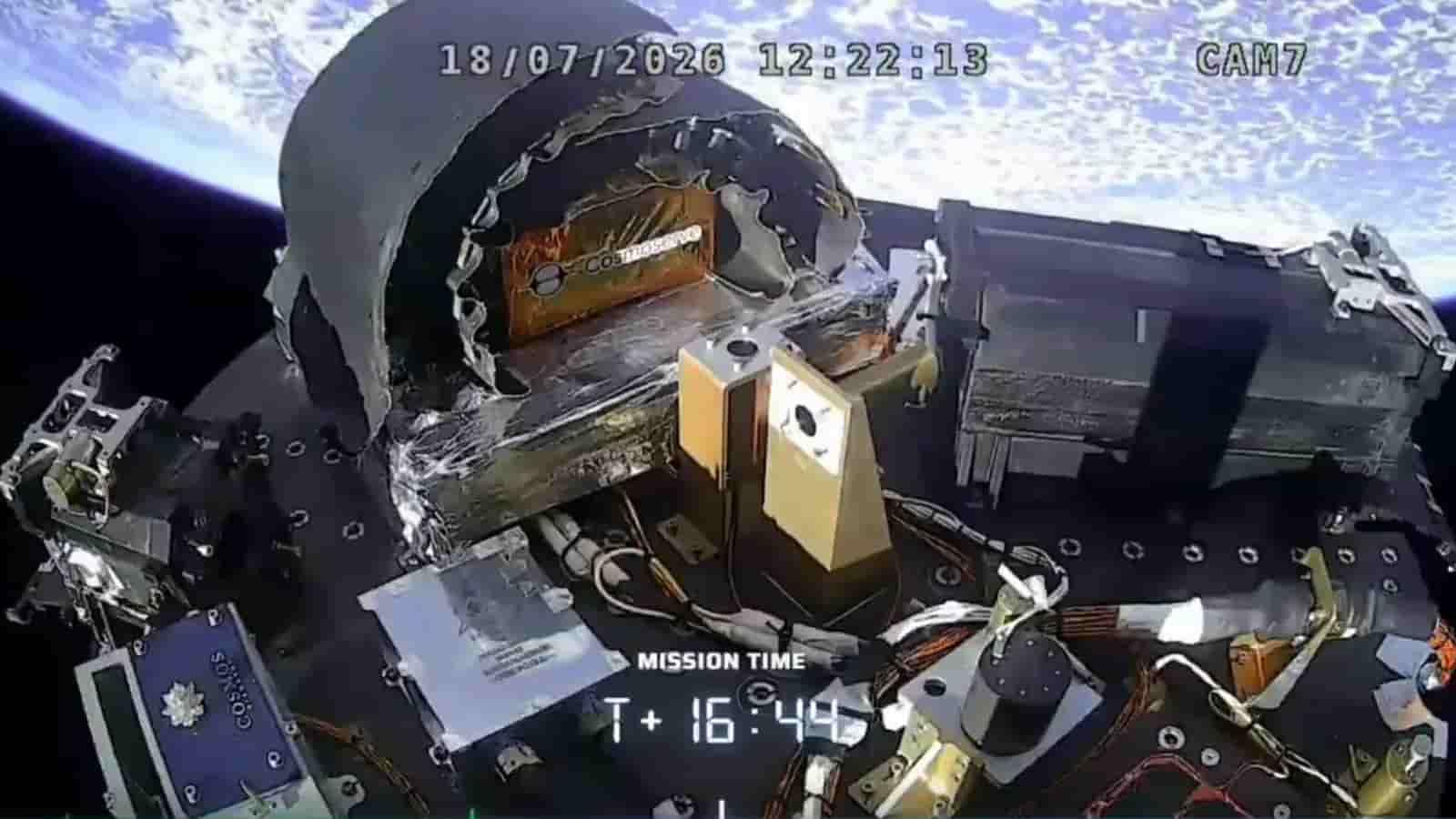
In a milestone event for India’s space industry, Skyroot Aerospace’s Vikram-1 rocket has successfully reached orbit during its first test flight, named Mission Aagaman. This historic launch carried not only multiple technological payloads but also a handwritten ‘Vande Mataram’ message from Prime Minister Narendra Modi, highlighting the fusion of national pride and cutting-edge innovation.
What Makes the Vikram-1 Launch So Significant?
Until recently, India’s orbital launches were largely the domain of ISRO, the national space agency. The Vikram-1 mission is groundbreaking because it marks the first time a privately developed Indian rocket has completed all flight stages and deployed its cargo into a 450-kilometre orbit. This achievement signals the dawn of a new era where private companies are set to play a starring role in India’s space journey.
Mission Aagaman: Technical Triumphs and Symbolic Firsts
Skyroot Aerospace meticulously engineered the Vikram-1 to handle complex orbital maneuvers. The rocket’s test flight involved multiple critical stages, including:
- Sequential ignition and separation of each stage
- Precise orbital insertion at 450 km above Earth
- Deployment of various commercial and research payloads
But what truly set this mission apart was its symbolic payload: a handwritten message from the Prime Minister himself. The ‘Vande Mataram’ note underscores India’s renewed focus on technological self-reliance and the growing collaboration between government and private innovators.
Why Private Participation in Space Matters
For tech learners and aspiring space professionals, the success of Vikram-1 illustrates the transformative potential of private space companies. Here’s why this matters:
- Innovation at speed: Private firms can often prototype, build, and iterate rockets faster than larger government agencies.
- New career paths: With private space tech expanding, opportunities in engineering, data science, software, and project management are growing rapidly.
- Lowered barriers to entry: More launches mean more chances for startups, universities, and even students to send experiments into space.
How to Start Learning About Private Space Technology
If the Vikram-1 story inspires you, here’s how you can get involved in the space tech revolution:
- Build a foundation in STEM: Focus on subjects like physics, mathematics, and computer science.
- Participate in aerospace clubs or projects: Many universities and online platforms offer rocketry, robotics, or satellite-building groups.
- Stay informed: Follow Indian startups like Skyroot, Agnikul Cosmos, and ISRO’s new commercial ventures.
- Learn coding and simulation: Software skills are essential in everything from mission design to launch simulations.
What This Means for Beginners
For those just starting out, Vikram-1’s success is proof that a new generation of Indian engineers, scientists, and entrepreneurs can make a mark in space. The government’s backing of private ventures means more internships, competitions, and funding opportunities will become available. Now is the perfect time to explore online courses in rocketry, space systems, and satellite technology.
Practical Takeaways
- Watch for new internships and job opportunities at private space companies in India.
- Take advantage of online learning resources to gain practical skills in aerospace engineering and coding.
- Join tech communities focused on rocketry and space science to network and collaborate on real-world projects.