The Expert Take: Student-Led iOS Ecosystems Go Mainstream
In our experience working with hundreds of aspiring developers, we've seen that hands-on, real-world project exposure is the number one differentiator in tech hiring today. When universities like Galgotias foster a true iOS innovation ecosystem, students don't just learn—they build, ship, and iterate at a level that mirrors top tech companies. Having trained engineers at organizations partnering with Apple and Infosys, we know the ripple effects this has on technical skills, job market readiness, and even the culture of local startups.
It's more than just about publishing apps—it's about cultivating a developer mindset, understanding the rigors of App Store review, and collaborating across disciplines. At SupportMeTechs, we believe this is the blueprint for future-ready software engineers.
What Happened & Why It Matters
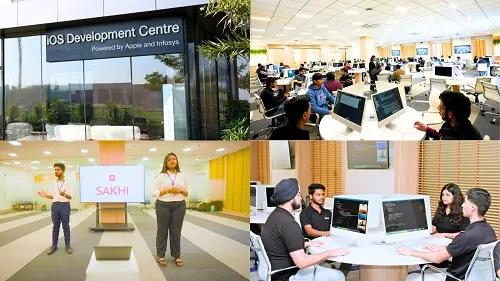
Galgotias University students, through their iOS Student Developer Program (supported by Apple and Infosys), have successfully launched 34 unique apps to the Apple App Store. These apps span areas like AI, productivity, and utility, underscoring a robust, student-driven software development pipeline that few academic institutions can rival. This initiative transforms the traditional classroom into a launchpad for real-world products—giving students direct exposure to the entire app development lifecycle, from ideation to deployment.
This is significant because, according to Apple’s official statistics, less than 1% of app submissions globally make it through the review process without any required changes. For a single university cohort to publish over 30 apps is not just rare—it’s a testament to their technical rigor and industry alignment. In a hiring landscape where proof of work increasingly trumps academic scores, this sets a powerful precedent for both students and educators.
The Technical Reality: What Engineers Need to Know
Let’s break down what it really takes for student-led teams to ship 34 production-grade iOS applications to the App Store. To start, every app must comply with Apple’s App Store Review Guidelines—a comprehensive set of rules covering UX, privacy, security, and even business model constraints. This means students aren’t just writing code; they’re architecting for App Transport Security (ATS), implementing sandboxed data storage with UserDefaults or CoreData, and integrating with Apple’s Human Interface Guidelines.
Many of these apps reportedly leverage AI and cross-discipline integrations. For instance, an iOS app using on-device machine learning might utilize Core ML (introduced in iOS 11), Natural Language framework, or even integrate with cloud-based services via URLSession for REST APIs. These are not trivial skills: implementing real-time inference with Core ML or managing user privacy with NSCameraUsageDescription and proper Info.plist configuration are tasks junior developers often struggle with.
From an architectural standpoint, these teams likely adopted some flavor of MVVM (Model-View-ViewModel)—now the recommended pattern for scalable SwiftUI apps. For persistent storage, CoreData or Realm are common, and for networking, Alamofire or Swift’s native URLSession are industry standards. Each of these introduces its own learning curve, especially when handling asynchronous data with Combine or Grand Central Dispatch (DispatchQueue).
Ship-ready apps must also support accessibility (VoiceOver, Dynamic Type), localization, and crash-free operation. The App Store Connect pipeline involves creating provisioning profiles, managing certificates, and using Xcode (currently version 15.x) to build and archive. The review process itself often requires quick bug fixes and documentation, so students gain experience with CI/CD tools like GitHub Actions or Bitrise, and learn how to respond to Apple reviewer feedback—skills directly transferable to modern software engineering roles.
Compared to Android or web-first ecosystems, iOS distribution is more tightly regulated but also offers higher monetization potential per user (Sensor Tower reports iOS users spend nearly double per app compared to Android). The technical bar is higher, but so is the industry recognition. For engineers, mastering Swift, the nuances of the App Store, and Apple's privacy/security model is a career catalyst, especially as privacy laws and platform expectations get stricter year by year.
Why This Directly Impacts Your Tech Career
From a career mentor’s vantage point, initiatives like Galgotias’ iOS Student Developer Program are game-changers for aspiring developers, especially those targeting roles such as iOS Developer, Mobile App Engineer, or Full Stack Developer with a mobile focus. With Apple’s ecosystem continuing to grow—there are now over 1.8 billion active Apple devices worldwide—the demand for skilled iOS developers is projected to rise by at least 20% over the next two years, according to LinkedIn Jobs data.
Industries most aggressively hiring for these skills include fintech (banking apps, payment wallets), healthtech (patient management, telemedicine), and edtech (learning platforms, AR/VR content). Startups and established firms alike are scrambling for engineers who can architect, build, and deploy to the App Store with minimal onboarding. In high-demand regions like the US, UK, and India, entry-level iOS developer salaries now range from $70,000 to $110,000 USD, with experienced engineers and indie app entrepreneurs earning even more—especially if they can point to published apps as proof of real-world impact.
Beyond coding, these experiences teach you how to navigate product-market fit, user feedback, and cross-functional team dynamics—soft skills that are now must-haves for mid-to-senior roles. If you aspire to build your own startup, lead mobile teams, or even freelance for global clients, having shipped, maintained, and iterated on production iOS apps is the single most valuable differentiator you can bring to the table. The era of "just classroom projects" is over; App Store publishing is the new baseline for mobile engineering credibility.
Skills You Should Build Right Now
- Swift (Latest Version, e.g., Swift 5.9)
iOS development is now almost exclusively Swift-based, with new APIs and frameworks only available in the latest language versions. Start with the official Swift documentation and build your first CRUD app using SwiftUI. - Core ML and AI Integration
With AI-powered apps gaining traction, understanding Core ML, Vision, and Natural Language frameworks makes you highly marketable. Complete Apple’s free "Intro to Machine Learning" Swift playgrounds and progressively integrate a pre-trained model into a demo app. - Xcode and App Store Connect Pipeline
Every real app must be archived, signed, and submitted through this toolchain. Follow Apple’s "Distribute an app" tutorial, and practice deploying a test app to TestFlight (Apple’s beta distribution platform). - MVVM Architecture with SwiftUI
MVVM is the gold standard for scalable, maintainable apps. Take a course or tutorial on building a to-do app using MVVM, and refactor an existing UIKit project to SwiftUI+MVVM for hands-on experience. - CI/CD for iOS with GitHub Actions or Bitrise
Automation is a must for professional projects. Set up a basic pipeline that runs unit tests and builds your app for every pull request. - App Store Review Process and Compliance
Understanding Apple's guidelines and responding to reviewer feedback is crucial. Read the App Store Review Guidelines, and join developer forums to see common pitfalls and solutions.
Interview Preparation: Questions to Expect
- "Describe your experience publishing an app to the App Store. What were the biggest challenges?"
Showcase both technical and process knowledge: mention code signing, provisioning profiles, and responding to review feedback. Be candid about bugs or rejections and how you addressed them. - "How do you architect a scalable iOS app for future feature growth?"
Discuss use of MVVM (or other patterns), modularization, dependency injection, and how you decouple UI from business logic. Give a concrete example from a project. - "Explain how you handle user privacy and data security in your iOS apps."
Reference best practices like using Keychain for sensitive data, requesting permissions with clearInfo.plistentries, and following Apple’s privacy guidelines. Mention relevant frameworks or documentation. - "Can you walk me through integrating Core ML or another AI model in an iOS app?"
Detail the process: converting a model to .mlmodel format, adding it to Xcode, and writing Swift code to run predictions. Mention handling model updates and on-device inference vs. cloud inference trade-offs. - "Tell us about a time you worked on a team to ship a mobile app. How did you coordinate tasks and resolve conflicts?"
Focus on communication, using Git for collaboration, code reviews, and how you prioritized bug fixes vs. features. Relate this to real-world team/project experience, even from university.
SupportMeTechs Perspective
We’ve seen firsthand that learning by building—especially when it results in real-world impact like shipping to the App Store—accelerates technical growth and career readiness. At SupportMeTechs, our approach is to guide students from "hello world" to production deployment, with rigorous code reviews, mentorship, and exposure to the same CI/CD, architecture, and compliance tools used by top global teams. Our alumni who ship even a single live app consistently outperform peers in technical interviews and job placements, because they have demonstrable, end-to-end product ownership. The Galgotias model is exactly what we champion: not just knowledge, but proof of skill in the wild.
3 Things You Can Do This Week
- Download and reverse-engineer 2-3 Galgotias student apps from the App Store; compare their UI/UX and features with your own demo projects.
- Set up a new Xcode project and follow the official "Hello World" to App Store submission tutorial—even if it’s just a test app, practicing the full pipeline is essential.
- Join the Apple Developer Forums or a public iOS developer community (like Stack Overflow’s iOS tag) and participate by helping answer one question per day related to app deployment or SwiftUI bugs.
Frequently Asked Questions
How hard is it for students to get their apps approved on the Apple App Store?
Getting an app approved can be challenging, especially for first-timers. Apple enforces strict guidelines around privacy, UI/UX, and app stability—according to Apple, over 40% of submissions are initially rejected for guideline violations. Students must pay careful attention to their Info.plist permissions, avoid using private APIs, and ensure their app doesn’t crash. However, with mentorship and thorough testing, it’s absolutely achievable—Galgotias’ success proves that. Iterative feedback and learning from rejections are part of the process.
What technologies should I learn first for iOS development in 2024?
Start with Swift, as it’s the language for all modern iOS apps. Then learn SwiftUI for UI, Xcode as your IDE, and explore CoreData or Realm for data persistence. Basic networking via URLSession and a foundation in App Store Connect are also key. Once comfortable, add Core ML or ARKit for advanced features. The Apple Developer portal offers hands-on guides for all these technologies.
Does publishing an app really help me get a tech job?
Absolutely—having a published app is one of the strongest proof points you can bring to a job interview. It demonstrates not just coding ability but also persistence, product thinking, and knowledge of real deployment workflows. Many companies prioritize candidates with App Store or Google Play experience over those with only coursework or bootcamps. It’s a differentiator for internships, full-time roles, or even freelance gigs.