
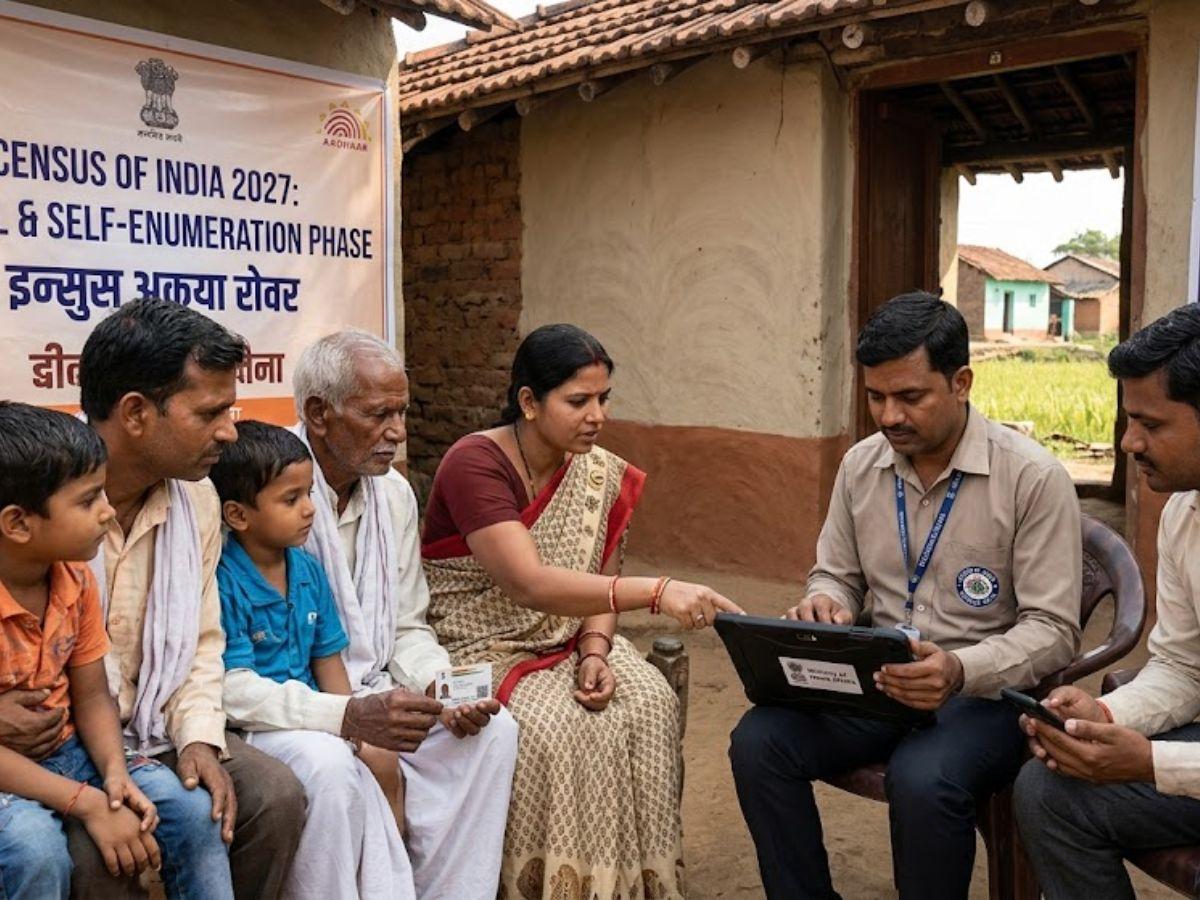
Understanding the Digital Transformation of Census 2027
India’s 2027 Census is making history by embracing the digital era. For the first time ever, citizens have the opportunity to self-enumerate online, marking a major leap from the traditional paper-based process. This initiative aims to streamline data collection, improve accuracy, and empower individuals to play a direct role in shaping national statistics.
Why Is the Digital Census Important?
The shift to an online census isn’t just about convenience. It’s a reflection of India’s commitment to modernizing governance and leveraging technology for more efficient public administration. The digital census is designed to:
- Reduce manual errors and duplication
- Speed up data processing and analysis
- Enhance accessibility for people in remote locations
- Encourage widespread participation with self-service options
How to Self-Ennumerate: Step-By-Step Guide
Contributing your household’s data is now simpler than ever. Here’s how you can take part in the 2027 Digital Census from the comfort of your own home:
1. Prepare Before You Start
- Ensure you have a stable internet connection
- Collect the required documents (see below)
- Set aside 15-30 minutes to complete the process without interruptions
2. Gather Key Documents
Having these documents handy will help you fill out the census form quickly:
- Aadhar card or another valid ID for household members
- Address proof (utility bill, rental agreement, etc.)
- Contact details (phone number, email)
- Information about family members (date of birth, education, occupation, etc.)
3. Log In to the Digital Census Portal
- Visit the official census website announced by the government
- Create a new user account or use your Digital India credentials
- Verify your identity using OTP sent to your registered phone number
4. Complete the Census Form
- Follow the on-screen instructions to enter details about each household member
- Double-check information for accuracy
- Use the help section for clarifications or common FAQs
5. Review and Submit
- Review all responses before final submission
- Download or save the acknowledgment receipt for your records
Key Rules to Remember
- Every household must complete the census form only once
- All information must be truthful and up-to-date
- Personal data is protected under the Census Act and digital privacy rules
- Submission deadlines are strictly enforced—don’t wait until the last minute
What This Means for Beginners
If you’re new to online government services, the Census 2027 platform offers an excellent introduction. The interface is built for easy navigation, with language options and tooltips to guide you at every step. For those interested in digital literacy, participating in the census provides practical experience in using online forms, securing your data, and understanding the importance of digital governance.
Tips for First-Time Users
- Ask a tech-savvy friend or family member to assist if you feel unsure
- Explore the portal’s help section or video tutorials before starting
- Don’t hesitate to contact the helpline for technical support
How to Build Skills for Digital Self-Service
Self-enumerating is just one example of the many digital government services now available. To boost your confidence and become digitally self-reliant:
- Practice using other e-governance portals (like DigiLocker, e-Services, etc.)
- Take basic courses in digital literacy or internet safety
- Stay informed about government digital initiatives and updates
3 Practical Takeaways
- Start Early: Don’t wait until the deadline. Early participation helps avoid technical glitches and gives you time to seek help if needed.
- Stay Secure: Protect your login credentials and use official websites only—beware of phishing or fake census portals.
- Grow Your Skills: Treat this as an opportunity to become comfortable with digital services, which are increasingly essential in modern life.