Understanding Mumbai-Pune Expressway’s 'Missing Link': A Tech Perspective
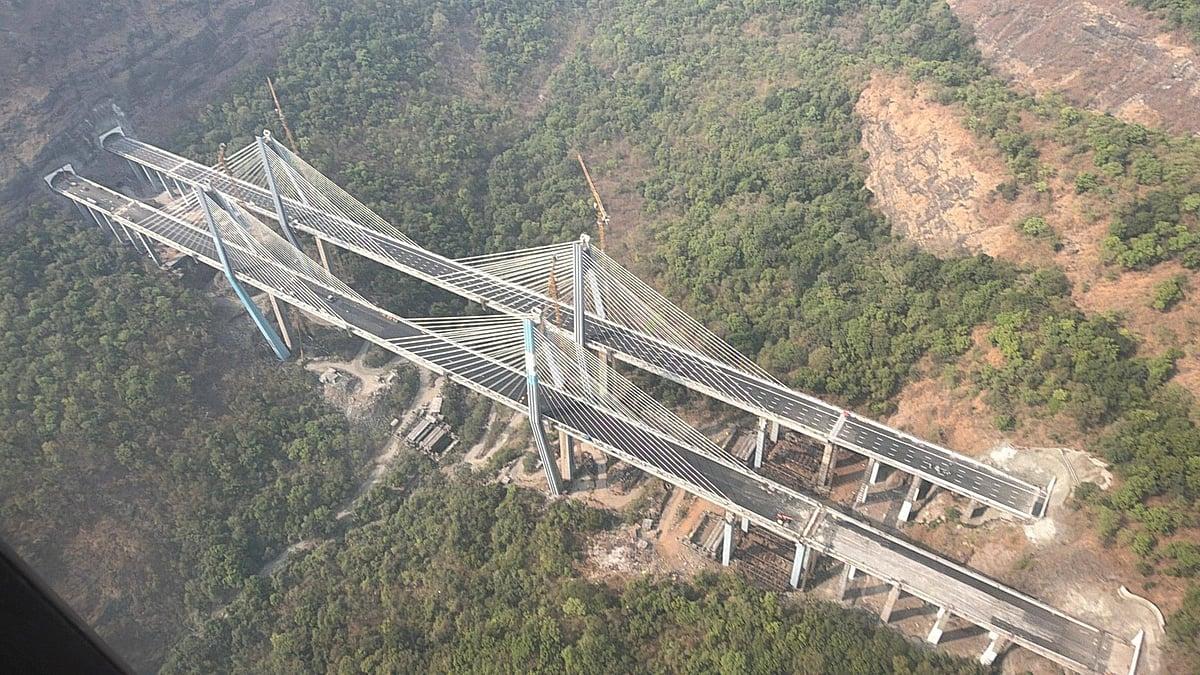
The Mumbai-Pune Expressway has long been a lifeline for commuters between two major cities in Maharashtra. With the completion of the 'Missing Link' project, the expressway now boasts a new stretch, designed and executed by the Maharashtra State Road Development Corporation (MSRDC). This upgrade is more than just a physical expansion—it marks a significant step in applying advanced access control technology to road infrastructure.
What’s New in the Expressway?
The freshly inaugurated section, opened by Maharashtra’s Chief Minister, brings a host of changes:
- Access Control: The expressway is now fully access-controlled, meaning only cars and buses can enter the new stretch. Heavy vehicles, including trucks, are prohibited, aiming to streamline traffic flow and reduce congestion.
- No Toll Increase: Commuters can breathe easy—there’s no hike in toll charges. This decision ensures that technological improvements do not lead to higher travel costs.
- Safety Upgrades: The enhanced access control reduces potential hazards and improves safety for passenger vehicles.
Tech Behind the Scenes: Access Control Explained
Access control on highways involves more than physical barriers. It relies on surveillance systems, digital toll collection, and intelligent traffic monitoring. These systems work together to ensure only permitted vehicles use the expressway, preventing unauthorized entry and optimizing traffic patterns.
- Automated Gates: Entry points are equipped with sensors to identify vehicle types, automatically opening for cars and buses.
- Digital Tolling: Electronic toll collection reduces delays and records vehicle data for future analysis.
- Surveillance: Cameras monitor traffic and alert authorities about violations in real time.
What Does This Mean for Beginners in Tech?
If you’re new to tech, the Mumbai-Pune Expressway project is a great example of how technology can transform traditional infrastructure. Here’s how you can relate:
- Real-World Applications: Technologies like IoT sensors, surveillance cameras, and automated gates are not just for factories—they're shaping public spaces too.
- Career Opportunities: Road development projects need engineers, software developers, and IT specialists for everything from hardware installation to data analytics.
- Learning Path: Start with basics in electronics, networking, and software development. Explore smart city technologies and traffic management systems as you advance.
How to Learn Access Control Tech Skills
If you’re inspired by this project and want to learn more, here’s a roadmap:
- Study IoT Fundamentals: Learn about sensors, actuators, and connectivity.
- Understand Networking: Discover how devices communicate and send data securely.
- Explore Automation: Experiment with automated gates and surveillance systems using platforms like Raspberry Pi or Arduino.
- Get Hands-On: Build simple access control prototypes at home, participate in hackathons, and follow real-world case studies.
Unique Angle: The Intersection of Infrastructure and Tech Education
The 'Missing Link' project isn’t just about smoother travel; it's a living lesson in how technology and public infrastructure intersect. For tech learners, it’s a reminder that skills developed in class can impact millions in the real world. Whether you’re coding an app or configuring a sensor, your work might one day be part of such transformative projects.
3 Practical Takeaways
- Tech in Infrastructure: Real-world infrastructure projects use advanced tech—explore these fields for exciting career opportunities.
- Access Control Systems: Understanding how access control works lays the foundation for roles in security, automation, and smart city development.
- Continuous Learning: Keep up with technological advancements in public works—they offer new problems to solve and innovations to create.