
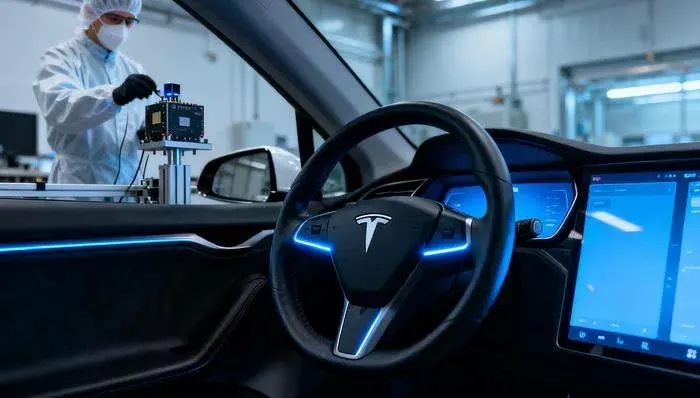
Tesla’s Ambitious Push for Smart Driving Innovation in China
Tesla is making headlines by intensifying its search for smart driving talent across nine prominent Chinese cities, signaling a major move toward advancing its Full Self-Driving (FSD) technology. This strategic recruitment effort suggests the electric vehicle giant is gearing up for broader adoption and regulatory approval of its advanced driving systems in the world’s largest automotive market.
Why China Is Crucial for Tesla’s FSD Breakthrough
China represents both a massive consumer base and a competitive hub for smart driving technologies. By ramping up hiring in cities like Beijing, Shanghai, and Shenzhen, Tesla is positioning itself to not only refine its autonomous driving features but also to adapt them to local traffic patterns and regulatory requirements. This is essential for FSD to gain acceptance and approval from Chinese authorities, who have high standards for safety and data privacy.
Understanding Tesla’s Full Self-Driving (FSD) Technology
FSD is Tesla’s most advanced driver-assistance system, designed to handle complex driving scenarios with minimal human intervention. It leverages cutting-edge AI, sensor fusion, and real-time data processing to navigate city streets, highways, and parking lots. While FSD is available in some markets, regulatory hurdles have kept it from a full rollout in China—until now.
How Tesla’s Recruitment Fuels FSD Development
By actively recruiting smart driving testers and engineers, Tesla aims to collect critical local data, train its AI models, and ensure its systems comply with Chinese standards. These testers play a vital role in identifying edge cases, improving safety features, and providing feedback on user experience. Their input will be instrumental in adapting FSD to unique challenges found on Chinese roads, such as dense urban traffic, variable signage, and regional driving habits.
What This Means for Beginners Interested in Autonomous Vehicles
If you’re just starting your journey into smart driving or autonomous vehicle technology, Tesla’s push in China is a golden opportunity to observe real-world innovation. This initiative underscores the importance of local expertise, regulatory compliance, and continuous learning in the field. Beginners can gain insights into how global companies localize their tech and what skills are most in demand, such as machine learning, sensor integration, and software testing.
How to Learn Skills Relevant to Smart Driving and FSD
- Explore Online Courses: Platforms like Coursera, Udacity, and SupportMeTechs offer beginner-friendly courses on autonomous vehicles, AI, and computer vision.
- Practice Programming: Python and C++ are key languages used in automotive software. Build small projects or contribute to open-source autonomous driving initiatives.
- Understand Sensor Technologies: Study how LiDAR, radar, and cameras work together to provide a vehicle with situational awareness.
Implications for the Future of Smart Driving
Tesla’s recruitment drive reflects a broader trend: the global race to perfect and deploy autonomous driving technology. As more companies invest in local talent and data, we can expect rapid advances in safety, user experience, and regulatory acceptance. For learners and professionals, staying updated on these developments is crucial for future career prospects.
Three Practical Takeaways
- Keep Learning: The field of smart driving is constantly evolving. Regularly update your skills and knowledge to stay relevant.
- Follow Regulatory News: Understanding local laws and standards is key for anyone hoping to work in or with autonomous vehicle technologies.
- Build Real-World Experience: Seek internships, online projects, or community hackathons focused on autonomous driving to gain practical hands-on skills.