
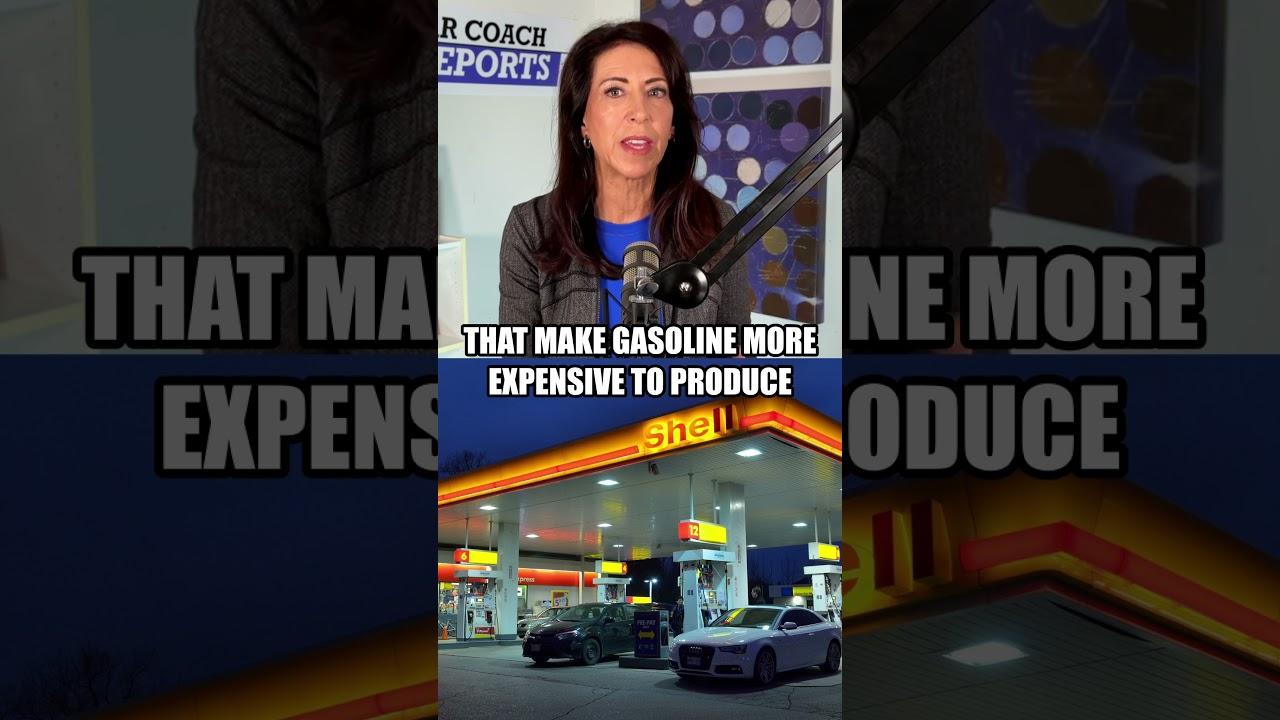
The Expert Take: E15 Fuel Ban’s Tech Impact
In our experience guiding tech teams across automotive, IoT, and energy sectors, it’s clear that regulatory shifts in fuel standards—like the recent halt of E15 summer blend—create ripple effects far beyond the gas pump. We’ve seen firsthand how such changes force reevaluation of software models, supply chain systems, and emissions tracking platforms. If you’re a developer or engineer building solutions for the automotive, logistics, or environmental domains, understanding the E15 fuel blend ban isn’t just industry trivia—it’s a strategic career move. Staying ahead of these regulatory pivots is what separates adaptable engineering leaders from the pack.
What Happened & Why It Matters
Recently, former President Donald Trump announced a stop to the distribution of the E15 “summer blend” fuel, a gasoline-ethanol mix containing 15% ethanol, with the stated goal of lowering gas prices for consumers. E15, previously blended and distributed more widely during summer months, has been a key part of fuel policy, aiming to balance domestic agriculture support, emissions reductions, and consumer cost. The move to halt E15’s distribution is intended to increase overall fuel supply by allowing refineries to focus on conventional gasoline, which is hoped to lower prices at the pump during peak travel months.
This policy change has immediate ramifications for the automotive supply chain, fuel retailers, and emissions tracking systems. According to the U.S. Energy Information Administration (EIA), E15 accounted for roughly 10% of U.S. gasoline sales in the last two years. Any disruption in its availability means recalibrating fuel logistics, emissions projections, and regulatory compliance models. For tech professionals, this is a signal that the systems underpinning vehicle telematics, logistics optimization, and environmental monitoring are about to face new challenges.
The Technical Reality: What Engineers Need to Know
From a technical perspective, the halt of the E15 summer blend reverberates through several layers of automotive and energy technology. First, let’s clarify: E15 refers to gasoline containing 15% ethanol, compared to the more common E10 blend (10% ethanol). The EPA had previously granted waivers to allow E15 sales in summer, but this policy reversal means systems assuming E15 availability must adapt.
For software engineers working on fleet management platforms, this change means your fuel optimization algorithms may need recalibration. For example, if your code currently factors in E15’s energy density (about 1.5% less energy per gallon than E10) or price points, you’ll need to adjust your models. Here’s a hypothetical code snippet reflecting a logic change:
// Before:
if (fuelType === 'E15' && season === 'summer') {
    energyContent = baseEnergy * 0.985;
} else {
    energyContent = baseEnergy;
}
// After:
if (fuelType === 'E10') {
    energyContent = baseEnergy;
}
Emissions tracking tools must also be revised. E15 has a slightly different lifecycle CO2 profile than E10, due to increased ethanol content. If your systems use EPA or GHG Protocol emission factors, you’ll need to ensure any calculations or reporting pipelines are updated to reflect the switch.
For IoT developers, embedded systems in vehicles that report fuel type or blend detection—using sensors or ECU data—must be audited to ensure accurate reporting. Many telematics APIs (like the ones from Geotab or Samsara) expose fuel-type data fields, and those integrations may now need to handle new edge cases, such as fallback to E10 or non-ethanol blends. Schema validation, like:
// Schema before
{
  "fuelType": "E15",
  "season": "summer"
}
// Schema after (E15 deprecated)
{
  "fuelType": "E10",
  "season": "summer"
}
On the hardware side, cars manufactured for the U.S. market since 2001 are generally E15-compatible, but the sudden regulatory change means software that informs consumers or fleet operators (like digital dashboards, mobile apps, or compliance checkers) must update their messaging and logic.
Compared to other fuel blend changes (like Europe’s move to E10 or California’s boutique blends), the E15 ban is abrupt and nationwide. Engineers should prepare for rapid schema changes, new data validation rules, and perhaps increased demand for real-time fuel pricing APIs as supply dynamics shift. If you’re building ML models for fuel cost prediction, retraining on new data will be essential.
Why This Directly Impacts Your Tech Career
Whether you’re a software engineer, data engineer, or DevOps specialist in automotive, logistics, or energy tech, this regulatory shift will affect your daily work. Why? Because every time a fuel standard changes, there’s a cascade of technical updates: from database schemas and business logic to compliance reporting and user interfaces. Companies need professionals who can rapidly understand new requirements and translate them into code and system architecture.
Over the next 12-24 months, we expect increased demand for developers with experience in environmental compliance, emissions tracking, and supply chain optimization—especially in industries like fleet management, mobility tech, and energy analytics. Employers in fintech and healthtech are also interested, given the cross-sector impact of regulatory compliance and reporting. As more vehicles and infrastructure become connected (think IoT fuel sensors, telematics, and predictive analytics), there’s a premium on engineers who can adapt to regulatory changes and maintain data integrity.
In terms of compensation, skills in emissions tracking and energy modeling can command salaries 10-15% above baseline developer roles, according to recent Glassdoor data. Regulatory-driven projects often attract additional budget and urgency, making them a smart career bet for those who want to be irreplaceable in their teams.
Skills You Should Build Right Now
- Regulatory Compliance Engineering — The E15 ban highlights the need to rapidly interpret and implement regulatory changes in code. Start by learning the basics of EPA and EU fuel standards, and practice updating schemas and compliance scripts.
- Supply Chain Data Modeling — Disruptions in fuel blends force updates to how supply chains are modeled and optimized. Take a course on supply chain analytics and build a sample dashboard using real-time fuel pricing APIs.
- IoT Data Integration — As vehicle and sensor data become more important for fuel type tracking, learn how to ingest, validate, and process IoT telemetry. Try integrating with a platform like AWS IoT Core and sending fuel-type data streams.
- Emissions Tracking & Reporting — With changes in fuel blends, reporting platforms must adjust their calculations. Get hands-on with tools like the GHG Protocol’s calculation worksheets or explore the EPA’s API for emissions factors.
- API Schema Versioning — When a fuel type is deprecated, API versioning and backward compatibility become critical. Study OpenAPI (Swagger) and practice rolling out a schema update that removes E15 fields safely.
- Real-Time Data Processing (Kafka, Flink) — Fuel market volatility means analytics must be faster. Build a simple pipeline with Apache Kafka or Apache Flink to process and react to streaming fuel market data.
Interview Preparation: Questions to Expect
- Conceptual: “Explain the technical challenges when a fuel blend like E15 is suddenly banned. How would you update a large-scale fleet management system to handle this?”
Show your understanding of schema changes, data validation, and communication with stakeholders. Reference versioning and regression testing best practices. - Conceptual: “What are the main differences in emissions modeling between E10 and E15 gasoline blends?”
Discuss ethanol content, energy density, and how emissions factors are updated in environmental reporting systems. - Behavioral: “Describe a time you had to rapidly adapt software to meet new regulatory requirements. What was your process, and what technical debt did you encounter?”
Use the STAR method (Situation, Task, Action, Result) and highlight communication, testing, and documentation steps. - Behavioral: “How would you coordinate a cross-functional team to update vehicle telematics dashboards following a regulatory change like this?”
Emphasize stakeholder communication, agile iteration, and phased rollout strategies.
SupportMeTechs Perspective
From our direct work with automotive, IoT, and energy tech students, we know that regulatory shifts like the E15 ban are where careers are made or stalled. Our curriculum teaches not just the theory of compliance or data modeling, but how to translate ambiguous policy changes into robust, production-ready code. We’ve seen students land roles at industry leaders by mastering these skills ahead of the market. Our advice: treat every regulatory change as a chance to build your technical and business fluency—because the engineers who can interpret and implement new rules are the ones who get the promotions and the project leadership roles.
3 Things You Can Do This Week
- Review the EPA’s Renewable Fuel Standard documentation and identify which parts of your current or past codebases would be impacted by a fuel blend change.
- Build a simple data pipeline that takes in fuel type data (E10, E15, etc.) and outputs adjusted fuel cost and emissions reports. Use open data from the EIA or similar sources.
- Schedule a mock interview with a mentor or peer focused on regulatory change scenarios, and practice explaining how you’d handle a schema or logic update in response to a fuel ban.
Frequently Asked Questions
What is E15 fuel, and why does its ban matter for software engineers?
E15 is a gasoline blend containing 15% ethanol, commonly used in the U.S. during summer months for many vehicles. Its ban affects not just fuel retailers and automakers, but also the tech systems driving fleet management, emissions tracking, and supply chain logistics. If you’re building or maintaining systems using fuel blend data, you’ll need to update models, business logic, and potentially UIs to reflect the absence of E15, ensuring compliance and accuracy in reporting.
How do software systems detect and handle changes in fuel blends like E15?
Most automotive and logistics platforms detect fuel blend changes through a combination of sensor data (from ECUs or IoT devices), user input, and integration with external APIs that track fuel types at the station level. When a blend is banned, engineers must update fuel-type enumerations, validation logic, and downstream analytics to prevent errors or compliance issues. This often involves API versioning, refactoring code, and informing users about new options.
What skills will be most valuable as fuel standards continue to evolve?
Engineers should prioritize regulatory compliance expertise, real-time data processing, and API schema management. Being able to interpret policy changes and rapidly implement them in code is highly sought after in automotive, logistics, and energy tech. Mastering these skills ensures you’ll remain employable and in-demand as fuel blends and environmental policies shift in the coming years.