
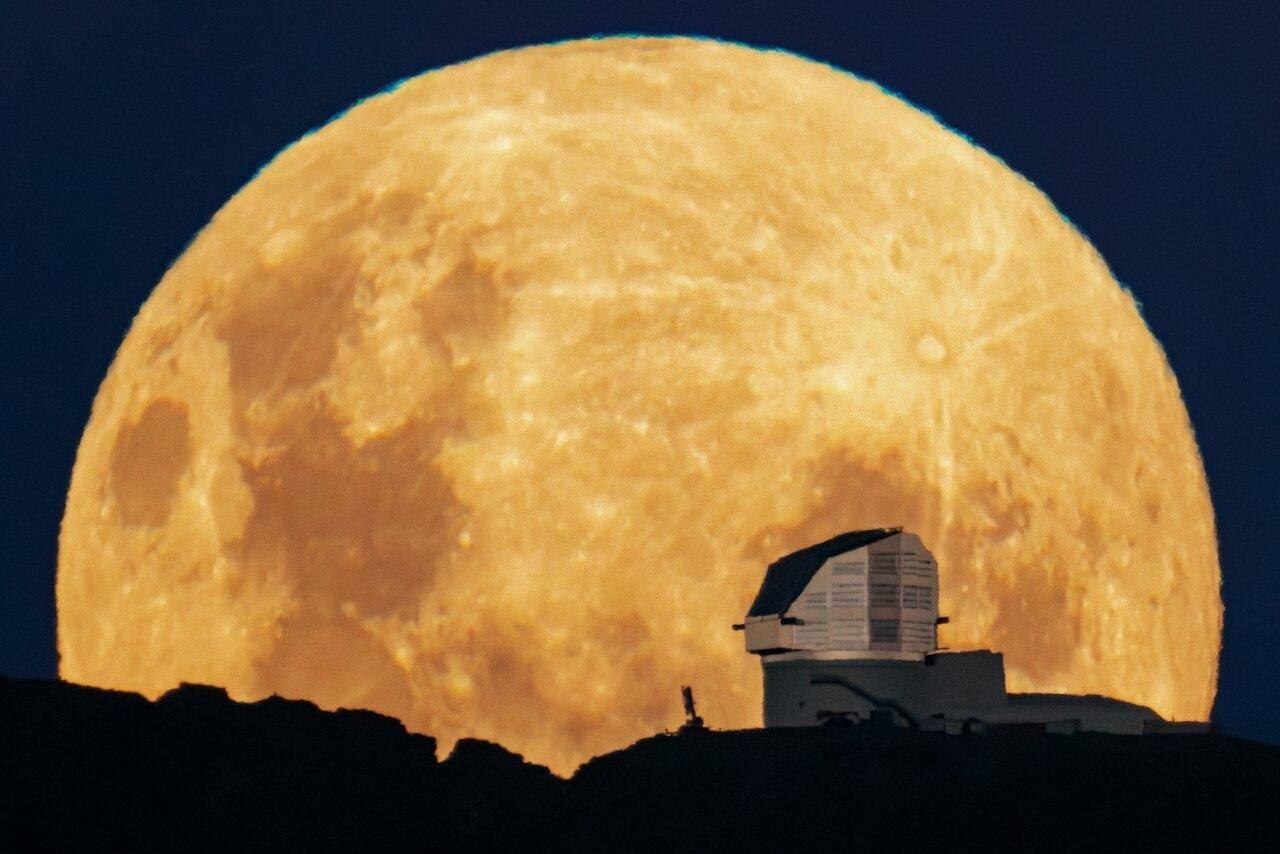
The Science and Technology of the Flower Moon
Each month brings unique opportunities to marvel at the cosmos, and this week is no exception. The full 'Flower Moon' will illuminate North American skies, captivating stargazers and tech enthusiasts alike. But what exactly enables us to observe such phenomena, and how can technology enhance our experience?
Why Is It Called the Flower Moon?
The term 'Flower Moon' originates from Native American traditions, marking the time when spring flowers are in full bloom. This May full moon is not just a natural event—it offers a perfect chance to explore the intersection of astronomy and technology.
Celestial Highlights for Tech Learners
- Full Moon Visibility: The Flower Moon will be at its brightest this week, visible across North America and other mid-northern latitudes.
- Stargazing Opportunities: Clear skies provide the best backdrop for observing lunar details, constellations, and nearby planets.
- Tech Tools for Observation: Smartphone apps, telescopes, and even simple binoculars can dramatically improve your viewing experience.
How Technology Transforms Moon Watching
Modern tools and apps have revolutionized sky-watching. With the right setup, you can capture stunning images, track celestial movements, and even participate in virtual astronomy communities. Here’s how:
- Mobile Apps: Apps like Stellarium, SkyView, and Star Walk provide real-time maps and alerts for lunar events.
- Telescopes & Binoculars: Affordable telescopes let you see lunar craters, while binoculars are perfect for beginners.
- Camera Integration: Many smartphones can be attached to telescopes, enabling high-quality moon photography.
What This Means for Beginners
If you’re new to sky-watching, the Flower Moon is an excellent entry point. You don’t need expensive equipment—just a clear night, a smartphone, and a bit of curiosity. Start with a simple app to locate the moon, then try observing its features with binoculars or your phone’s camera. Join online forums or local astronomy groups for tips and shared excitement.
How to Learn More About Astronomy Tech
- Online Courses: Websites like SupportMeTechs offer guided lessons on using tech for astronomy.
- Community Events: Look for local observatories or astronomy clubs hosting moon-watching nights.
- DIY Projects: Experiment with building your own smartphone mounts or filters for enhanced lunar photography.
Practical Takeaways
- This week’s Flower Moon is a great opportunity to experiment with astronomy technology—try using apps or simple optics to elevate your experience.
- Beginners can start with basic tools and gradually explore more advanced tech, such as telescopes or astrophotography setups.
- Learning about the science behind lunar events fosters a deeper appreciation for both nature and the innovations that bring it closer to us.