India’s Leap Into Private Space Exploration
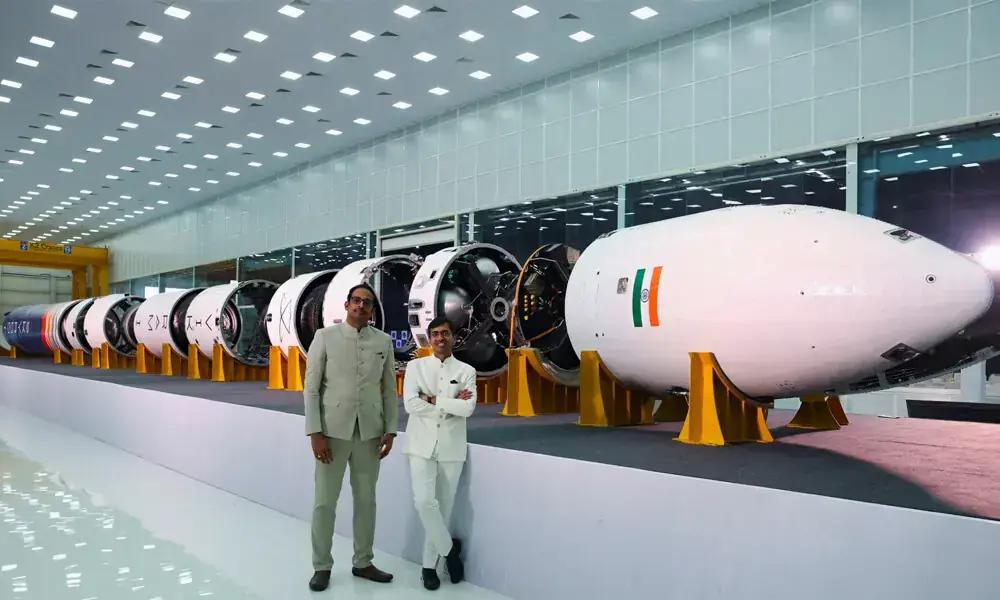
India has just reached a new milestone by successfully launching its very first privately developed orbital rocket. This event isn't just a national achievement—it's a major signal that India is ready to make waves in the global space industry. For years, space launches in India were mainly handled by government agencies like ISRO, but now, the doors are opening for private companies to design, build, and launch their own rockets.
Why Is This Launch So Important?
The recent launch is more than just a technical success—it's a turning point for India's space sector. By allowing private firms to participate, India is encouraging innovation, creating new opportunities for tech startups, and setting the stage for faster, more cost-effective missions. This move puts India in direct competition with global players and signals a new era where private businesses can help shape the future of space exploration.
Opportunities for Tech Learners and Innovators
With private companies entering the space race, there’s a surge in demand for skilled engineers, software developers, and project managers. This is great news for students and tech professionals who want to work on cutting-edge projects. Skills in aerospace engineering, data analytics, embedded systems, and even AI are becoming more relevant than ever in this industry.
How You Can Get Involved in the Space Tech Revolution
- Learn the Basics: Start with foundational courses in physics, mathematics, and computer programming. These subjects are crucial for understanding how rockets and satellites work.
- Explore Aerospace Engineering: Dive into specialized topics like propulsion systems, orbital mechanics, and avionics. Online platforms and local universities often offer beginner-friendly programs.
- Develop Coding Skills: Space technology relies heavily on software, so knowledge of languages like Python, C++, and MATLAB is a huge plus.
- Join a Community: Look for local or online groups focused on space tech. Hackathons, open-source projects, and internships can provide hands-on experience and networking opportunities.
- Stay Updated: Follow news from Indian private space companies and global leaders to understand trends, challenges, and breakthroughs in the field.
What This Means for Beginners
If you’re just starting out in tech, this new era is packed with possibilities. You don’t need to be a rocket scientist to contribute—space tech needs designers, data analysts, cybersecurity experts, and more. The recent launch shows that the industry is open to fresh talent and new ideas. Many companies are eager to train and hire motivated beginners who are passionate about space.
The Road Ahead for India’s Private Space Sector
India’s successful private rocket launch is just the beginning. As more startups join the race, the country can expect more frequent and innovative missions. This could lead to the creation of new satellite networks, space-based communication systems, and even commercial missions to the Moon and beyond. For tech learners, the time to get involved is now—this sector is expected to grow rapidly over the next decade.
3 Practical Takeaways
- India’s space industry is opening up to private innovation, creating new career paths for tech learners.
- Building skills in programming, engineering, and data analysis can help you break into the space sector.
- Getting involved early—through courses, projects, or internships—can set you up for success in this fast-growing field.