Vikram-1: A Bold Leap for India’s Space Startups
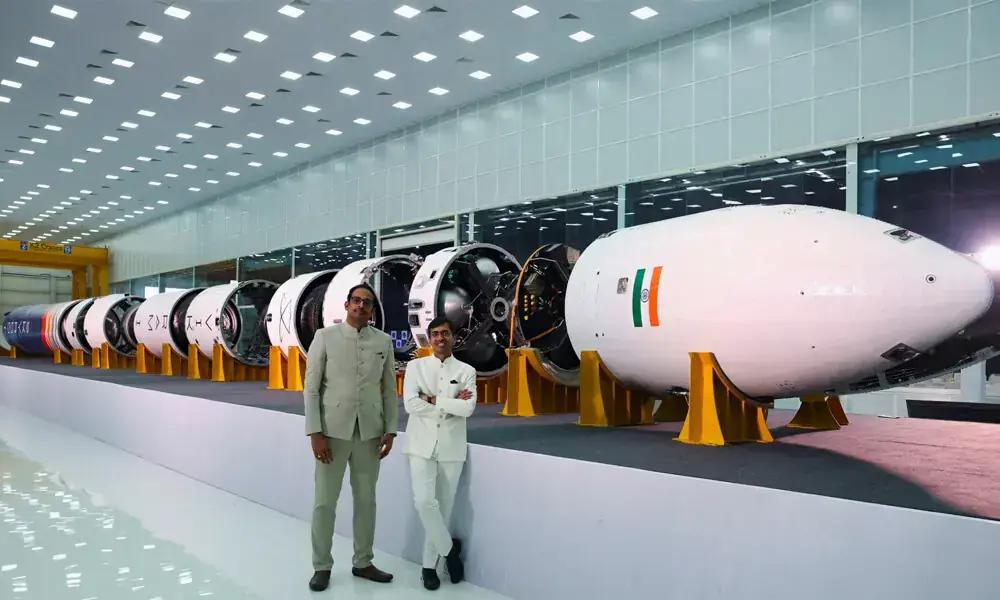
India is rapidly carving out a niche in the global space industry—and the recent launch of Vikram-1 by Skyroot Aerospace is proof that the country’s private space sector is ready to take center stage. On a bright morning at the Satish Dhawan Space Centre, history was made as Vikram-1 soared into orbit, marking India’s first privately developed orbital rocket mission. This pivotal event, known as “Mission Aagaman,” signals a new chapter for Indian innovation and entrepreneurship in space technology.
Breaking Down the Vikram-1 Mission
Vikram-1’s successful liftoff wasn’t just a technical achievement; it was a milestone that demonstrated the potential of Indian startups to compete globally. The vehicle, standing 22 meters tall, carried multiple experimental and customer payloads into a 450 km orbit. What’s more, it did so using advanced technologies, including a three-stage solid-fuel system and a liquid-fuel orbital adjustment module powered by a 3D-printed engine—a first for India.
The mission had several goals:
- Testing propulsion, avionics, and flight systems in real conditions
- Collecting valuable flight data for refining future launches
- Proving India’s readiness for commercial satellite deployment
Mission Aagaman’s success means India joins a select group of nations where private enterprise has achieved orbital launch capability, following in the footsteps of the US and China.
Why Vikram-1’s Launch Matters for Tech Learners
This event isn’t just a national headline—it’s a signal to tech enthusiasts and aspiring engineers. The rise of private space companies like Skyroot Aerospace is opening up new career paths in aerospace engineering, software development, materials science, and data analytics. The use of 3D-printed engines and advanced telemetry also highlights the intersection of traditional engineering and cutting-edge digital tools, making space tech more accessible to a wider range of skills and backgrounds.
For those learning tech today, this means:
- More opportunities in satellite technology, launch services, and space data analysis
- Exposure to emerging technologies such as additive manufacturing and AI-driven guidance systems
- Potential to contribute to projects with both commercial and scientific impact
How to Get Started in the New Space Economy
If you’re inspired by Skyroot’s achievement and wondering how to get involved, consider these pathways:
- Build a foundation in core STEM fields: Aerospace engineering, computer science, mechanical engineering, and physics are all in demand.
- Explore interdisciplinary fields: Skills in AI, robotics, and 3D printing are increasingly valuable in rocket and satellite development.
- Follow industry news and open-source projects: Many space startups share updates, research, and sometimes code repositories that you can learn from or contribute to.
- Participate in hackathons and student competitions: Events focused on satellite design or space apps can give you hands-on experience and networking opportunities.
- Look for internships with space startups: Companies like Skyroot, as well as other new entrants, are hiring across engineering, software, and project management roles.
What This Means for Beginners
Skyroot’s journey from startup to orbital launch is a testament to the power of innovation and persistence. For beginners, this means the barriers to entering the space industry are lower than they’ve ever been. You don’t need to be part of a government agency to have an impact—private companies are seeking fresh ideas, diverse skills, and a passion for solving complex problems. Whether you’re a student, a self-taught coder, or transitioning from another tech field, there’s a place for you in this new wave of space exploration.
Looking Ahead: The Future of Indian Space Tech
The Indian government’s decision to open the space sector to private investment has already spurred rapid growth. With an ambitious target to grow its space economy from $8 billion to $44 billion by 2033, India is betting big on startups like Skyroot to fuel the next generation of launches, satellite services, and space-based applications. This presents a wealth of opportunities for tech learners to shape the future of space travel, communications, Earth observation, and even defense.
3 Practical Takeaways
- Stay curious about emerging tech: Skyroot’s use of 3D-printed engines and advanced avionics shows the importance of staying updated on the latest innovations.
- Build a diverse skill set: Aerospace needs coders, engineers, project managers, and data analysts—there’s room for every tech specialty.
- Network and engage: Join online communities, attend webinars, and participate in competitions to connect with India’s growing space tech ecosystem.