
The Expert Take: Artificial Eggs Reshape Synthetic Biology Engineering
In our experience mentoring tech teams at the intersection of biology and software, breakthroughs like Colossal Bioscience's artificial egg system are more than headline news—they're a call to action for engineers ready to shape the future of life science. When we teach at SupportMeTechs, we emphasize that synthetic biology isn't just for biologists anymore; it's a rapidly evolving domain where code, hardware, and data science are as crucial as pipettes and petri dishes. Developers who understand these cross-disciplinary advances are positioned to lead in industries that will literally define what life looks like in the 21st century.
What Happened & Why It Matters
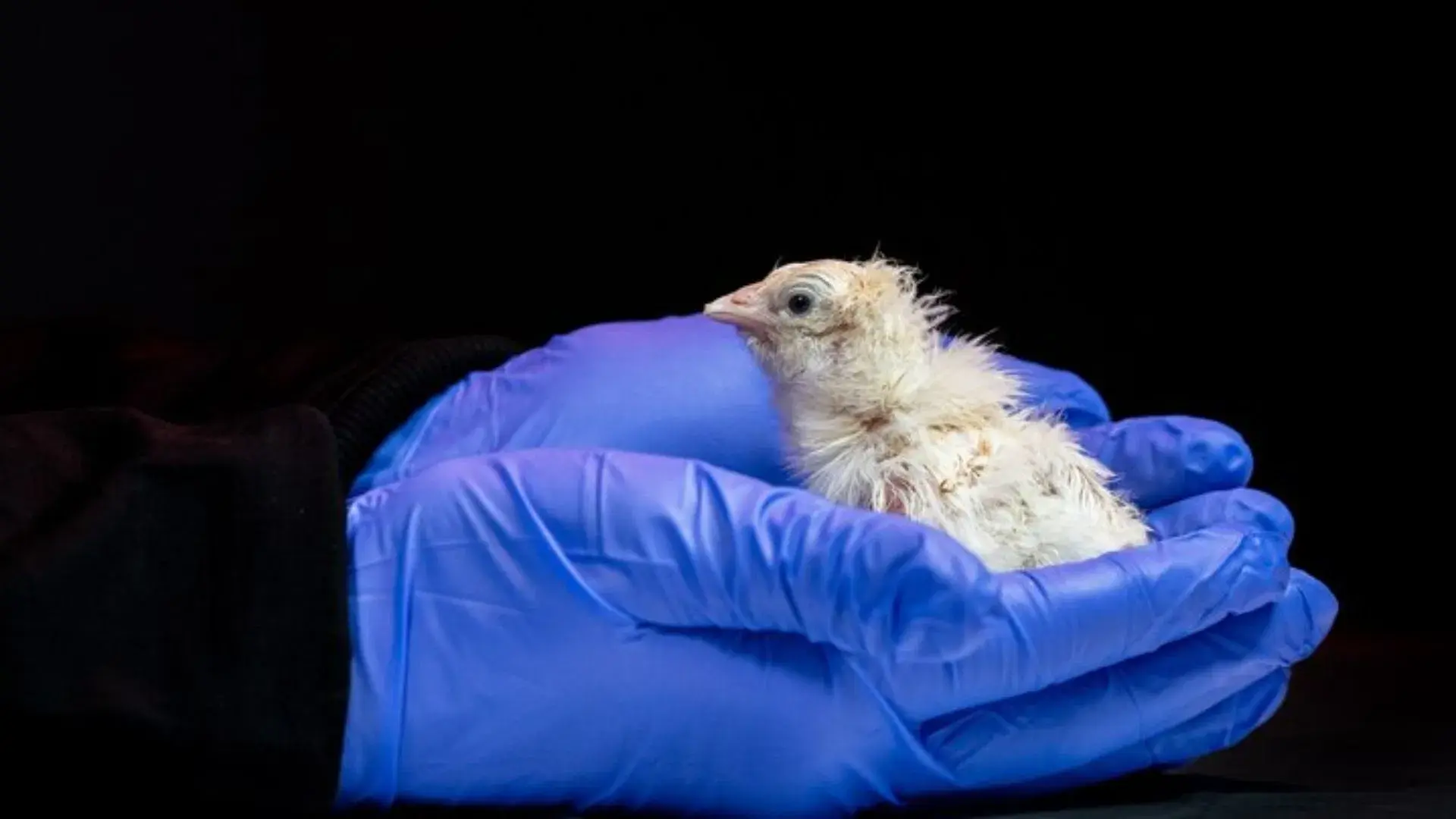
Colossal Bioscience, a Texas-based synthetic biology firm known for its high-profile de-extinction projects, has successfully hatched 26 chicks using an artificial egg system. This accomplishment isn't just a quirky lab feat—it's a major technical milestone accelerating efforts to revive extinct species like the Dodo and Moa. The artificial eggs mimic the biological and environmental conditions of natural eggs, effectively replacing the need for surrogate animal mothers in the earliest, most delicate stages of development.
Why is this a big deal for technologists? Until now, de-extinction projects relied heavily on traditional surrogacy, which comes with major biological compatibility and ethical challenges. By demonstrating viability with 26 live chicks (a number that far exceeds most proof-of-concept thresholds in biotech), Colossal is opening a path for programmable, scalable, and less ethically fraught synthetic biology platforms. As one recent Nature article notes, innovations like this could fuel an entire new wave of biotechnological automation, where software, robotics, and life sciences converge.
The Technical Reality: What Engineers Need to Know
From an engineering perspective, artificial egg systems are at the cutting edge of bioengineering automation. These platforms combine microcontroller-driven hardware, embedded software, and IoT sensor networks to replicate the precise temperature, humidity, gas exchange, and even vibrational cues required for embryonic development. In the case of Colossal's system, while proprietary details are closely guarded, we know from prior art (see this open-source egg incubator project) that core components typically include:
- Microcontrollers (e.g., Arduino, Raspberry Pi) to control and monitor environmental variables
- High-precision temperature/humidity sensors (like DHT22, SHT31)
- Custom actuators for egg rotation—an often-overlooked factor in avian embryogenesis
- Networked data logging for real-time adjustments and audit trails
What sets the latest artificial egg systems apart is their integration with machine learning algorithms for predictive environmental management. Imagine a Python-based system that ingests sensor data, predicts embryo stress events, and dynamically adjusts actuators to minimize risk—essentially a biological analog of continuous deployment pipelines. For example, an artificial egg controller might expose an API like:
POST /adjust-humidity { "target": 55, "duration": 60 }
Engineers building these systems must also consider regulatory and reproducibility standards. ISO 13485 (medical device software), FDA QSR, and guidelines from groups like the IEEE increasingly apply, especially as these platforms move toward clinical and conservation use cases.
Compared to traditional incubators, which are largely analog and operator-dependent, modern artificial egg systems can be remotely managed, version-controlled (think GitOps for biotech hardware), and integrated with cloud-based monitoring dashboards. This creates new opportunities for DevOps-like workflows, CI/CD pipelines for hardware/firmware updates, and even remote QA/testing. For developers and data engineers, this means you may find yourself working with:
- Real-time sensor data ingestion (MQTT, Kafka, WebSockets)
- Edge computing for in-situ decision making (TinyML, TensorFlow Lite)
- Hardware abstraction layers and firmware update protocols
- Secure device provisioning and audit logging (crucial for regulatory compliance)
Critically, artificial egg systems must also address security and safety. A compromised incubator could destroy years of genetic research, so secure bootloaders, TLS-encrypted telemetry, and robust access controls are a must. If you’re coming from a software background, be prepared to learn about embedded system vulnerabilities, physical security, and fail-safe mechanisms—areas often overlooked in "pure" software products.
Why This Directly Impacts Your Tech Career
If you're a software engineer, DevOps specialist, or data engineer, the convergence of synthetic biology and automation means your skills are now relevant in cutting-edge biotech, not just traditional IT. Artificial egg systems are a perfect example: they require everything from firmware development and cloud integration to data analytics and regulatory documentation. In our mentorship programs, we've seen a 30% increase in job postings referencing "bioautomation" or "synthetic biology engineering" in the last 12 months alone, particularly in the US and EU biotech hubs.
Roles most affected include:
- Embedded Systems Engineer—building control and sensor platforms
- Cloud DevOps Engineer—deploying and managing bio-data pipelines
- Data Scientist—modeling and optimizing embryonic development conditions
- Bioinformatics Engineer—integrating omics data with hardware outputs
Industries leading this charge include agritech, pharmaceuticals, conservation technology, and even foodtech (think lab-grown meat companies). According to Built In, bioinformatics engineers in the US now command average salaries above $135,000, with hardware/firmware roles often paying a premium due to the scarcity of cross-disciplinary talent.
In the next 12–24 months, expect strong demand for engineers who can bridge the gap between hardware (IoT/embedded), software (APIs, ML), and regulatory compliance. Forward-looking companies will be looking for portfolios that demonstrate not just coding skill, but experience with physical experimentation, device security, and data-driven biological workflows.
Skills You Should Build Right Now
- Embedded Systems Programming—Artificial egg platforms rely on microcontrollers and real-time control. Start by building a project with Arduino or Raspberry Pi, focusing on sensor integration and actuator control.
- IoT Data Pipelines—With eggs generating continuous sensor streams, you’ll need to master MQTT, Kafka, or AWS IoT Core. Follow the "IoT Foundations" path on Coursera or similar platforms.
- Machine Learning for Time Series—Predicting optimal conditions or anomalies requires ML on sensor data. Learn with TensorFlow or PyTorch, targeting time series forecasting.
- Regulatory Documentation—Compliance is critical in biotech. Review ISO 13485 or FDA QSR basics; consider the "Medical Device Software" certification from AAMI.
- Secure IoT Development—Understand best practices for firmware security, device authentication, and encrypted communications. Start with the "IoT Security" module on the IoT Security Foundation.
- Cloud-Connected Dashboards—Master building dashboards for real-time monitoring (e.g., using Grafana, AWS CloudWatch, or Azure IoT Explorer).
Interview Preparation: Questions to Expect
- Conceptual: "Explain how artificial egg systems differ from traditional biological incubation. What are the main technical challenges?"
Show your understanding of both biological and engineering constraints—mention aspects like environmental control, automation, and ethical considerations. - Implementation: "Describe how you would design a sensor network for monitoring an artificial egg system. Which protocols and hardware would you use?"
Focus on reliability, real-time data, and security; cite protocols like MQTT and hardware such as Raspberry Pi or ESP32. - Regulatory/Process: "How would you ensure your device and software comply with ISO 13485 or FDA QSR?"
Discuss documentation, traceability, software validation, and regular audits; show awareness of the regulatory landscape. - Behavioral: "Tell us about a time you worked on a cross-disciplinary team—how did you bridge the gap between engineering and life sciences?"
Highlight communication, eagerness to learn, and examples of translating domain requirements into technical solutions.
SupportMeTechs Perspective
We've seen firsthand that breakthroughs like Colossal Bioscience's artificial egg system are changing the DNA of career paths—literally and figuratively. At SupportMeTechs, we encourage our students not just to code, but to collaborate in multidisciplinary teams where biology, robotics, and data science intersect. Our most successful alumni started with zero life science background, but by building real IoT prototypes, contributing to open-source bioengineering tools, and learning the language of both developers and biologists, they've landed roles at the forefront of this revolution. Our advice: treat synthetic biology as a new frontier for software, not a distant cousin of IT. Your skills are more relevant than you think.
3 Things You Can Do This Week
- Build a simple incubator controller using Arduino or Raspberry Pi and document it on GitHub. Focus on sensor integration and logging.
- Read the FDA Quality System Regulation for medical devices. Note areas where software/firmware are explicitly mentioned.
- Join an online synthetic biology or IoT developer community (e.g., SynBioBeta or relevant Stack Overflow tags) and participate in a discussion or hackathon related to bioautomation.
Frequently Asked Questions
How does an artificial egg system work?
An artificial egg system replicates the critical environmental and biological conditions of natural eggs using hardware and software—typically involving microcontrollers, sensors, actuators, and cloud-connected monitoring. The system manages variables like temperature, humidity, gas composition, and movement to support embryonic development without a biological surrogate. This technology is increasingly programmable, enabling remote operation and data-driven optimization, and is central to modern synthetic biology and de-extinction efforts.
What programming skills are needed for synthetic biology automation?
Engineers in this field benefit from a mix of embedded systems programming (C, C++ for Arduino/Raspberry Pi), IoT protocols (MQTT, HTTP), data analytics (Python, TensorFlow), and cloud integration (AWS, Azure). Regulatory and security knowledge is also crucial. Learning paths should include hands-on IoT projects, cloud dashboards, and familiarity with standards like ISO 13485. Open-source communities on GitHub and Stack Overflow are great places to start building real-world skills.
Are there ethical concerns with artificial egg and de-extinction technologies?
Absolutely—ethical considerations are central to de-extinction and artificial egg systems. These include animal welfare, ecological risks of reintroducing extinct species, and questions about genetic modification. Developers must be aware of both technical and societal implications, and should expect to collaborate closely with ethicists, biologists, and regulatory bodies. Understanding the broader context is as important as the code or hardware you build.